While many investors have focused their attention on high-growth technology and artificial intelligence stocks, a surprising contender has emerged, consistently outperforming the S&P 500 index over the years: luxury goods. Traditionally not classified as a “market,” experts argue that high-end items, much like gold or stocks, represent viable investment opportunities. Recent analysis from luxury goods platform FashioNica reveals that certain luxury handbags and a rare category of sneakers have significantly outperformed the S&P 500.
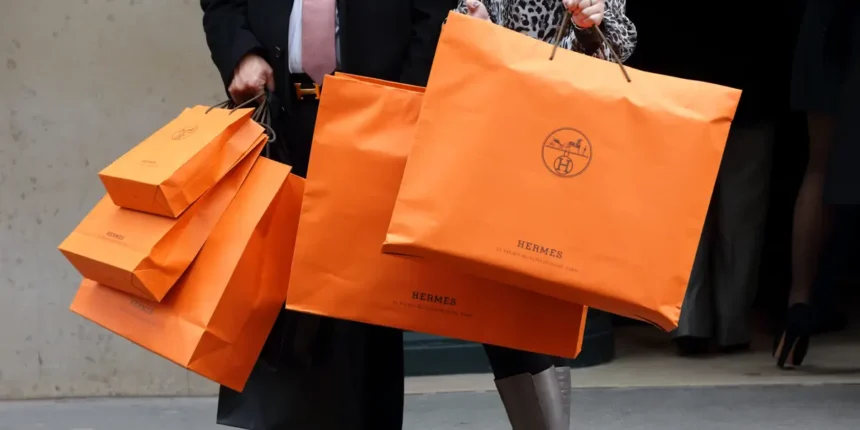
The standout bag is not the iconic Birkin but rather the Hermès Mini Kelly II, which recorded an astounding return of over 300% from 2022 to 2025. Starting at a price of $9,200, its value surged to nearly $36,980 during this timeframe, significantly eclipsing the S&P 500’s return of 43%. The Birkin bag also demonstrated impressive growth, appreciating by 285% in the same period. Other notable increases include The Row Margaux 15 bag, which climbed 56%, and the Louis Vuitton X Nike Air Force One Low sneakers, which experienced a 125% increase.
This phenomenon can be attributed to collectors viewing these bags not merely as luxury items but as investments. Amrita Bashin, CEO of the retail resale platform Sotira, highlighted that luxury bags, particularly the Birkin, are often treated as assets, much like gold. The allure of these handbags lies in their genuine scarcity. Hermès maintains a strict vetting process for prospective buyers, often placing them on lengthy waiting lists once approved. This controlled availability creates a classic supply-and-demand imbalance, ensuring that the market for such bags remains robust.
According to Bashin, the persistent demand for Birkins far exceeds the available supply, especially when compared to other asset classes, such as NFTs, which have been criticized for their speculative nature. Daniel Langer, CEO of Équité and a luxury strategy professor at Pepperdine University, reflected on the wisdom of investing in Hermès bags instead of company stock, hinting at the potential missed financial opportunities.
High prices may limit the accessibility of Hermès bags for many, but platforms like StockX are democratizing the market by allowing real-time price assessments of luxury items. This accessibility helps shift perceptions of such bags from mere indulgences to wise investments, constructing a form of cultural capital where discerning buyers can identify smart opportunities.
Langer emphasized that while scarcity is key to the valuation of items like the Birkin and Kelly bags, brand trust and the company’s commitment to protecting its value are equally critical. He drew parallels between investing in luxury goods and purchasing stock, noting that both require belief in the brand’s future value and management quality.
As the luxury goods market continues to gain traction as a recognized investment category, savvy collectors and investors may find themselves increasingly drawn to these unique assets as they seek alternatives to traditional stock investments.