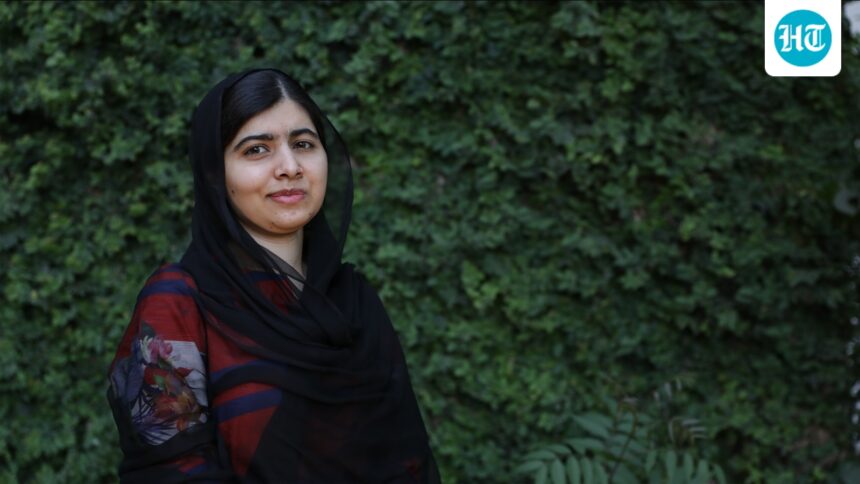
Malala Yousafzai, the renowned Nobel Laureate, has released her latest memoir, “Finding My Way,” which serves as a personal reintroduction to her life beyond the headlines. Yousafzai reflects on her journey, emphasizing the challenges and misconceptions that surrounded her after she gained global attention when she was in a coma following an assassination attempt. The book, she states, is not about being a symbol but rather a portrayal of her as a young woman navigating her complexities, still in the process of self-discovery.
Having received the Nobel Peace Prize at a young age, Yousafzai acknowledges both the positive and negative consequences of this accolade. While it brought significant awareness to the plight of girls deprived of education worldwide, it also imposed a heavy burden. She describes the pressure of feeling the need to constantly prove her worthiness of the title, contrasting her experience with that of individuals who have spent their lives working towards such honors. Yet she expresses gratitude for any progress her life story may inspire in the fight for girls’ education globally.
Her memoir tackles the raw and vulnerable moments of her life, particularly regarding mental health. Yousafzai draws inspiration from those who may feel isolated or overwhelmed by similar struggles. By sharing her own experiences with loneliness, anxiety, and self-doubt, she aims to connect with readers who might feel alone in their challenges. She believes the acknowledgment of these universal feelings is essential, as they are intrinsic to the human condition rather than signs of weakness.
Regarding her perspective on marriage, Yousafzai shares a nuanced stance. Although she has previously suggested that partnership can thrive outside of formal marriage, she acknowledges the importance of equality within such relationships. She expresses satisfaction in having taken her time to find a supportive partner and emphasizes that marriage should empower rather than limit individual pursuits.
As she reflects on contemporary global issues—like the ongoing violence in places such as Palestine and Sudan—Yousafzai encourages the younger generation to maintain hope and commitment to justice. Emphasizing resilience, she urges individuals to remain engaged and aware of these injustices instead of succumbing to feelings of despair. Her message is one of advocacy, resilience, and the necessity of raising awareness to foster change.
For her diverse readership, Yousafzai hopes to impart a vital lesson: it is acceptable to seek help and admit when one is struggling. She underscores the notion that life is a journey of growth and transformation, filled with both challenges and moments of beauty. “Finding My Way” ultimately aims to inspire readers to embrace their vulnerabilities and recognize the potential for hope and change, even during difficult times.