



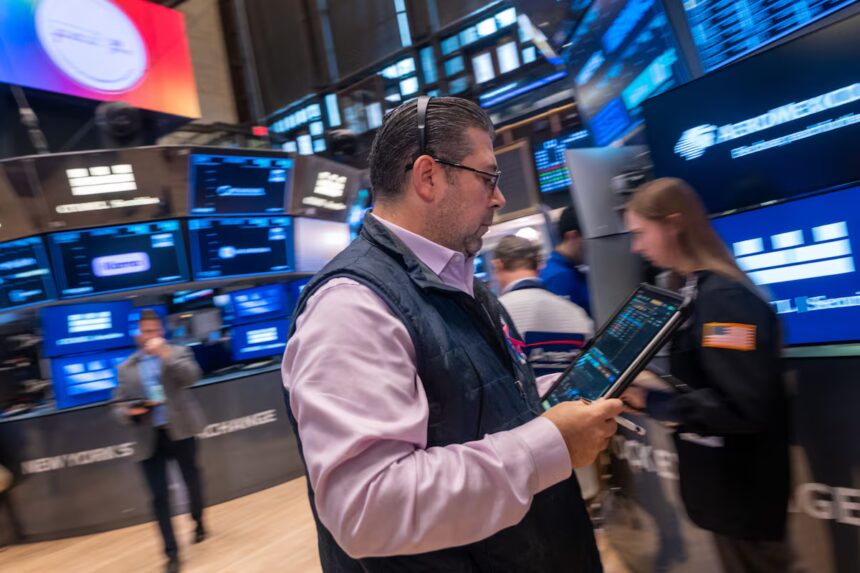
Since the onset of the COVID-19 pandemic, the S&P 500 Index has more than doubled, raising concerns among investors about a potential speculative bubble—particularly in the realm of artificial intelligence (AI). The anxiety surrounding market volatility has become ubiquitous, with opinions from both financial institutions and everyday individuals converging on one point: fear. This collective apprehension often heightens during moments of downturn for tech stocks, prompting questions about an imminent reckoning.
However, experts insist that the situation is not as precarious as it may appear. Historically, severe market corrections occur when corporate valuations significantly diverge from underlying fundamentals. Currently, such discrepancies are not widely observable. Though high valuations and ambitious hopes for AI have dominated the conversation, today’s market is fundamentally different from past speculative bubbles like the dot-com era, characterized by rampant hype and undue leverage. Instead, the ongoing bull market is largely supported by companies with strong financials and genuine earnings.
Federal Reserve Chair Jerome Powell recently emphasized this point, stating that today’s companies boast viable business models and profits. Delving into corporate earnings reveals that they are indeed a critical driving force for the stock market’s ascent, which began in earnest during the pandemic. The S&P 500 Index has surged over 100 percent despite a myriad of challenges, including global supply chain issues, soaring inflation, aggressive interest rate hikes, and a multifaceted trade war.
The primary catalyst behind the stock market’s remarkable performance has not been fear of missing out (FOMO) but rather earnings growth, which, along with dividends, has accounted for over three-quarters of the S&P 500’s gains. Corporate America has transformed into a profit-generating powerhouse, with earnings per share in the S&P 500 tripling over the past two decades. Analyst estimates suggest a further 14 percent increase in earnings by 2026.
Amid concerns triggered by trade tariffs imposed during the Trump administration, analysts had predicted a decline in earnings growth, fearing squeezed profit margins and rising costs. Contrary to those expectations, inflation has remained subdued and profit margins have expanded, reportedly reaching 13.4 percent by September, with projections for further growth in the upcoming year. Companies have adeptly navigated tariffs by stockpiling goods before the implementation of tariffs, although there are predictions that the impact of trade policies will eventually be felt more acutely in earnings and margins.
Despite these positive signs in corporate profitability, the prevailing anxiety among investors is primarily directed towards rising valuations, which have contributed to around 25 percent of the stock market’s gains over the last five years. U.S. equities are considered richly priced by various benchmarks, drawing parallels to the dot-com bubble; however, some analysts argue that this present scenario lacks the excessive enthusiasm that characterized that earlier period.
Influential voices in finance, such as Howard Marks of Oaktree Capital, Larry Fink of BlackRock, and Peter Oppenheimer at Goldman Sachs, have expressed skepticism about labeling the current market as a bubble. They emphasize that while valuations in the technology sector are stretching, they do not yet align with conditions typically associated with historical market bubbles.
For average investors caught in this landscape of uncertainty, selecting a side in the bubble debate may prove futile. Many experts suggest that participation in the stock market can continue without an acute focus on potential downturns. For those with long-term investment horizons, market fluctuations are likely to diminish in significance over time. Alternatively, mature investors can mitigate risks associated with frothy tech stocks by diversifying their portfolios with bonds and cash.
Ultimately, the true peril lies in attempting to pick specific winners and losers within this volatile environment, which could lead to considerable losses for those who misjudge market dynamics. Investors should remain aware of their strategies and risk tolerances, as the volatility of the market can yield both opportunities and pitfalls in equal measure.