U.S. equity futures indicate a modestly higher open as traders prepare for a day influenced by various global developments. Key among these is the ongoing negotiation for a potential 45-day ceasefire in the conflict involving the U.S., Iran, and several regional mediators. While reports suggest that the likelihood of an immediate agreement may be low, President Trump indicated that significant negotiations are underway. At a recent event, he stated, “There is a good chance, but if they don’t make a deal, I am blowing up everything over there.” Market analysts expect a cautious sentiment as investors await further updates from Trump during a scheduled press conference.
Meanwhile, Europe is facing pressure from rising energy prices resulting from the conflict. Finance ministers from Spain and four other countries are advocating for a bloc-wide windfall tax on energy companies to curb inflation and support households burdened by soaring oil and gas prices. This proposal could markedly reshape market expectations, particularly as Europe is heavily reliant on energy imports—an aspect potentially impacting firms like Exxon Mobil and BP, which derive significant revenue from their European operations.
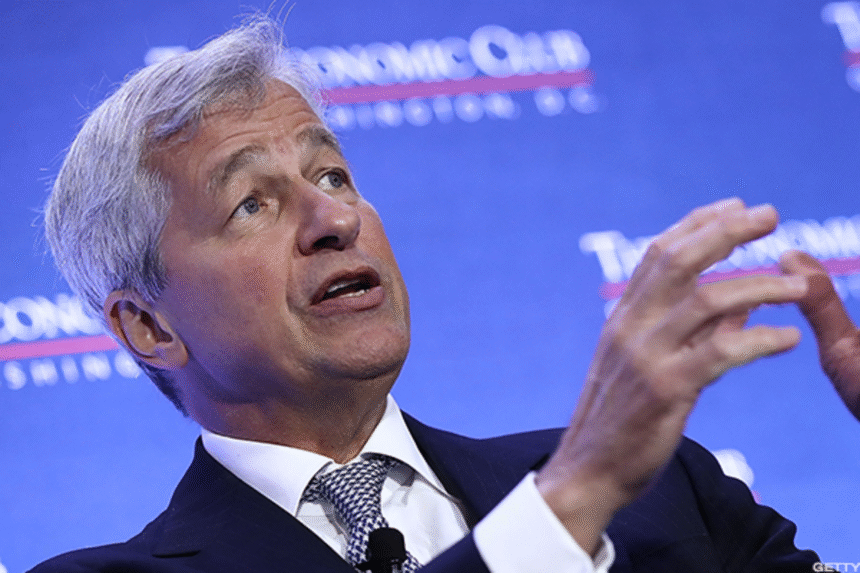
In the financial sector, Jamie Dimon, CEO of JPMorgan, has raised concerns about inflation pressures stemming from the conflict in Iran. In his annual letter to shareholders, he warned that rising oil prices could lead to prolonged inflation and higher interest rates, which in turn would drag down financial markets. This is a point that traders are likely to watch closely, especially regarding the S&P 500 as it hovers near critical technical levels.
Adding to the financial landscape, Citigroup has revised its timeline on anticipated Federal Reserve rate cuts, now forecasting three rate cuts in the second half of the year rather than earlier months, reflecting the robust job gains reported in recent statistics as well as persistent inflation concerns. The latest employment report showed the U.S. economy added 178,000 jobs, further complicating the Fed’s decision-making process regarding interest rates.
In the tech sector, the Semiconductor Industry Association announced significant growth in global semiconductor sales, reaching $88.8 billion in February—a notable 7.6% increase from January. This growth is largely attributed to strong demand from artificial intelligence and data center applications, a trend expected to continue, potentially benefiting companies like Nvidia, Marvell, and Broadcom.
Hon Hai Precision Industry Co. also reported robust quarterly sales growth of 29.7%, propelled by sustained demand in AI-related products. The company anticipates continued growth despite acknowledging potential uncertainties from the volatile political and economic climate.
As markets await additional economic data, including the ISM Services PMI for March, traders will also be on the lookout for earnings pre-announcements as the first quarter comes to a close. Overall, the interplay between geopolitical developments and economic indicators is likely to keep traders on edge in the coming days.