U.S. stock markets have entered a period of uncertainty as recent fluctuations highlight growing tensions surrounding crude oil prices and economic projections. The S&P 500 closed down 0.23%, while the Nasdaq Composite slipped nearly 0.4%. This modest retreat followed a holiday-shortened week filled with cautious trading activity on Wall Street. The U.S. dollar, Treasury bond yields, and gold prices remained relatively unchanged, further reflecting market indecision.
In a notable development, crude oil prices surged to their highest levels since June 2022, primarily driven by escalating concerns over U.S. military action against Iran. Diplomatic efforts to avert confrontation in Geneva have stalled, leading to fears of a broader conflict following the Iranian government’s harsh crackdown on protests, which have reportedly resulted in 30,000 deaths. Analysts suggest that this crisis represents a possibility of lasting supply disruptions, as instability in the region and stricter enforcement against Russian oil tanker operations could strain China’s oil supplies.
China, the world’s largest crude oil importer, may need to secure additional oil from other nations such as Saudi Arabia and Iraq at market prices, potentially leading to a sustained adjustment in the global oil market. This backdrop contrasts sharply with the earlier narrative of an oil surplus expected in 2023.
Bond markets are already signaling shifts, with inflation expectations rising in tandem with crude oil prices. Historically, a significant change in oil prices influences the Consumer Price Index (CPI) inflation data within a month, raising the possibility that these conditions may hinder expectations for interest rate cuts from the Federal Reserve.
The minutes from January’s Federal Open Market Committee (FOMC) meeting reflected a distinctly hawkish tone, indicating that most officials view the risks to the labor market as less severe while inflation remains stubbornly above the 2% target. CME Fed staff projections suggest hotter price pressures and economic growth exceeding potential levels through 2028. Some FOMC members even indicated a willingness to consider the possibility of future rate hikes, marking a shift in the language used in previous statements concerning a return to 2% inflation.
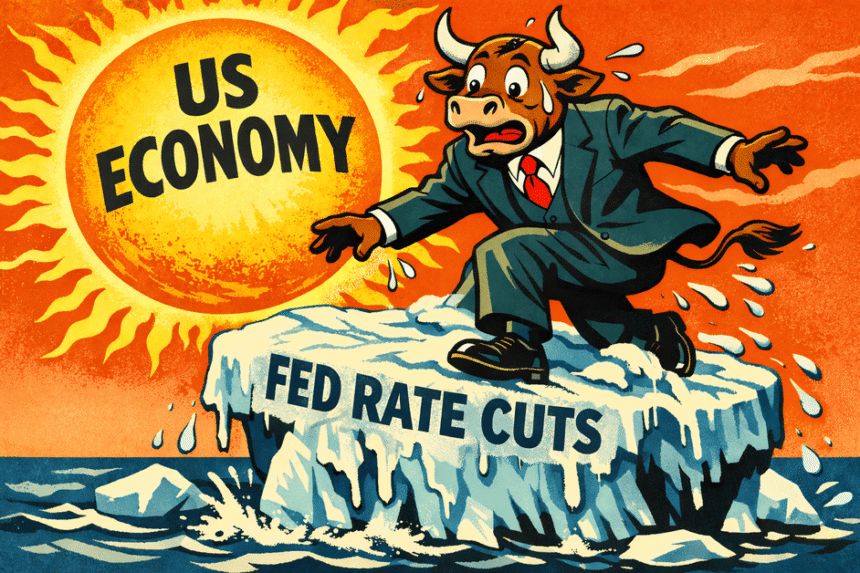
Despite these indicators, markets are still pricing in approximately 55 basis points of rate cuts for the remainder of the year, with expectations for the first cut by June. However, the FOMC meeting minutes suggest that the Fed’s outlook may be less dovish than previously anticipated.
Upcoming economic data, particularly the February S&P Global Purchasing Managers Index (PMI), is set to take center stage. This index is expected to reflect improved economic activity, which could complicate the case for preemptive rate cuts. If the PMI data exceeds analyst projections significantly, justifying rate cuts based solely on trader anxiety could prove challenging for the Fed.
This scenario paints a cautious picture for stock markets, potentially eroding risk appetite as strict economic indicators provoke anxiety. As the dollar may gain strength from a supportive interest rate outlook and safe-haven demand, commodities like gold could face headwinds despite their recent resilience.
In summary, as traders navigate a complex landscape of geopolitical risks and economic forecasts, the interplay between rising crude oil prices and U.S. economic data will be critical in shaping market sentiment and policy direction in the near future.