In a bold strategic move, Meta Platforms has launched “Muse Spark,” signaling a major shift in its approach to artificial intelligence development. This new AI model, created by Meta Superintelligence Labs under chief AI officer Alexandr Wang, emerges following the underwhelming performance of the Llama 4 family. With a substantial overhaul, Muse Spark replaces the company’s earlier open-source model in a bid to effectively compete against rivals like Alphabet and OpenAI. This pivot comes on the heels of a $14.3 billion investment in Scale AI, aiming to enhance Meta’s capabilities in complex scientific and health-related reasoning while significantly reducing computational requirements.
The decision to keep Muse Spark proprietary marks a departure from Meta’s previous open-source philosophy, emphasizing monetization and enhanced performance. The architecture of Muse Spark is designed to deliver the power of midsize predecessors with dramatically less processing power, potentially safeguarding Meta’s infrastructure margins.
In the cryptocurrency realm, Bitcoin experienced a notable surge, reaching a three-week high of $72,841. The rise, driven by a broader market rally following a partial ceasefire between the U.S. and Iran, lifted Bitcoin by 5%. Ethereum similarly gained traction, climbing more than 7%. Despite remaining significantly below its peak of $126,000 from last October, new optimism surrounding easing geopolitical tensions has allowed Bitcoin to test the higher limits of its trading range, currently pegged between $60,000 and $75,000.
While investors welcomed the price jump, analysts cautioned about substantial technical selling pressure at around $75,000, a threshold that has proven challenging to surpass since tensions rose earlier in the year. Future price movements will likely remain influenced by developments in the Middle East.
In a troubling trend, software stocks have taken a significant hit, with a decline of over 20% this year, earning the moniker “SaaSpocalypse.” As artificial intelligence systems become more capable, there’s growing concern that the demand for traditional software licenses may diminish, posing a challenge to SaaS companies. This shift not only threatens pricing power but could also lead to a reduction in the workforce as AI systems take over tasks previously handled by human employees.
Amidst these challenges, Elon Musk has intensified his legal battle against OpenAI, seeking the removal of CEO Sam Altman and President Greg Brockman. Musk’s allegations include claims of being misled into donating $38 million to an organization that has since prioritized profit. The outcome of this case, currently set for jury selection, could have far-reaching implications for the competitive landscape of artificial intelligence, especially with Musk’s xAI aiming to establish itself as a formidable player.
Market expectations around Federal Reserve actions have shifted following the recent U.S.-Iran ceasefire, with speculation mounting that a rate cut could be on the table by December. As fears of energy-driven inflation wane, traders are starting to sense an opportunity for monetary policy adjustments if inflation continues to moderate.
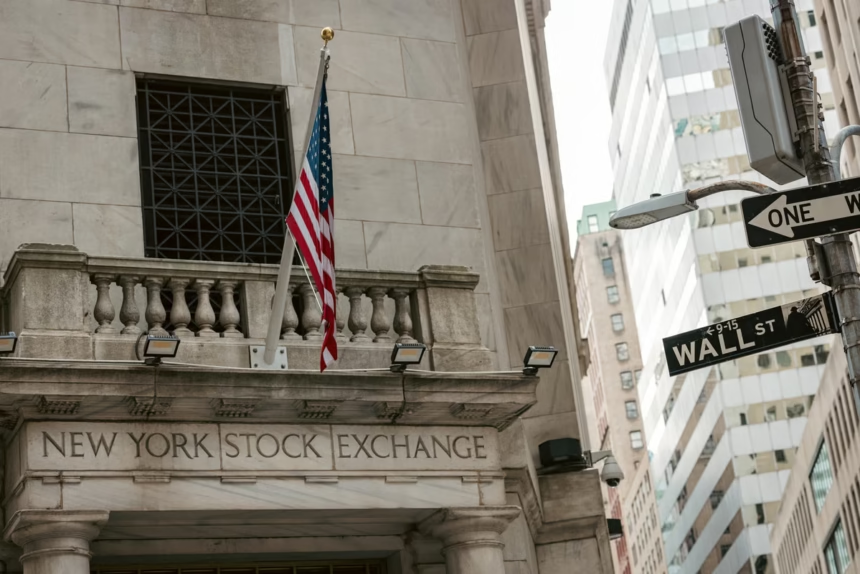
Wall Street reacted positively to the news of the ceasefire, with significant gains observed across major indices and sectors. Airlines, particularly Delta Air Lines, saw a noteworthy uptick in stock value as the company announced plans to reduce capacity in response to skyrocketing fuel costs while leveraging its refining capabilities.
In international news, Greece announced a ban on social media platforms for individuals under 15, set to take effect in 2027. This decision reflects growing concerns about the mental health implications associated with social media usage among youth. The implications of such regulatory measures pose potential risks for major tech firms regarding user acquisition and engagement.
Overall, the market landscape is marked by a mix of optimism and caution as ongoing geopolitical developments and industry-specific challenges continue to unfold, influencing investor sentiment and corporate strategies alike.