Meta Superintelligence Labs is making a significant leap in its artificial intelligence endeavors with the launch of its first model, Muse Spark. This initiative comes in the wake of substantial investment by Mark Zuckerberg aimed at overhauling the company’s AI efforts. The announcement indicates that Muse Spark is now integrated into the Meta AI app and the Meta AI website in the United States. Over the next few weeks, users can expect to see Muse Spark appear across multiple platforms, including WhatsApp, Instagram, Facebook, Messenger, and even Meta’s smart glasses, along with an international rollout.
Similar to Google’s Gemini, which seamlessly integrates into its suite of products, Meta emphasizes that Muse Spark is “purpose-built for Meta’s products.” This model is the inaugural entry in what is expected to be a new series of models. A select group of Meta’s partners will have access to Muse Spark through a private preview of its API.
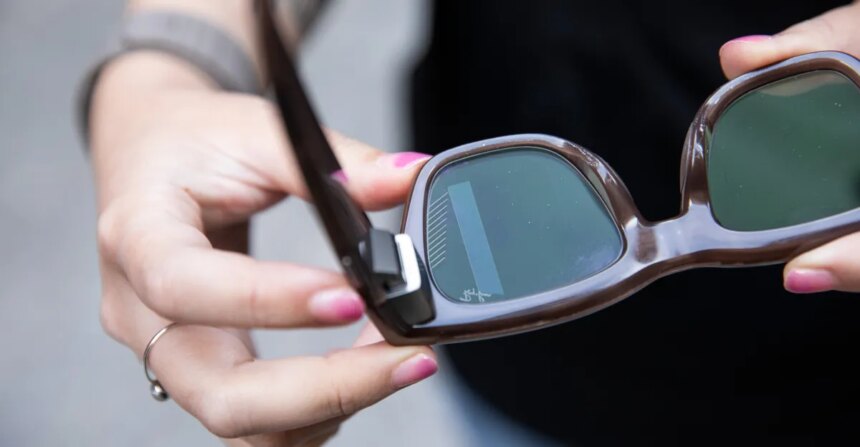
One of the standout features of Muse Spark is its capability to run multiple AI sub-agents, designed to handle queries more efficiently and effectively. It also supports multimodal inputs, combining text and images. This functionality is particularly significant for Meta’s AI-powered camera glasses, which the company is banking on as a key component of the future of computing. Users will have the option to switch between a faster “Instant” mode and a more deliberative “Thinking” mode, which aims to provide more thoughtful and comprehensive responses, reminiscent of features offered by Microsoft’s Think Deeper.
Moreover, Muse Spark is touted as being adept at answering “complex questions in science, math, and health.” This is especially pertinent in light of the recent controversies surrounding health-focused AI chatbots, which often grapple with sensitive personal data and the risk of spreading misinformation. Meta asserts that Muse Spark’s multimodal perception capabilities enhance its ability to navigate health-related inquiries, offering more detailed answers—even for questions that involve images and charts. This positioning suggests that Meta is gearing up to compete with established players in the health AI sector, such as OpenAI’s ChatGPT Health and Anthropic’s Claude for Healthcare, both of which launched earlier this year. A demonstration included in the announcement illustrated Muse Spark’s capability to estimate calorie counts for meals, a common application where AI accuracy can vary considerably.
Looking ahead, Meta envisions that Muse Spark will facilitate new features that leverage recommendations and content shared across its platforms, including Instagram, Facebook, and Threads. The company has also indicated that it is developing larger models and aims to open-source future iterations. Muse Spark is characterized as an “early data point” in the development of the new Muse series, marking Meta’s second major push into advanced AI following its previous Llama models. This new direction comes after Zuckerberg’s extensive reworking of the company’s AI initiatives in light of the challenges faced with the delayed and underwhelming launch of Llama 4.