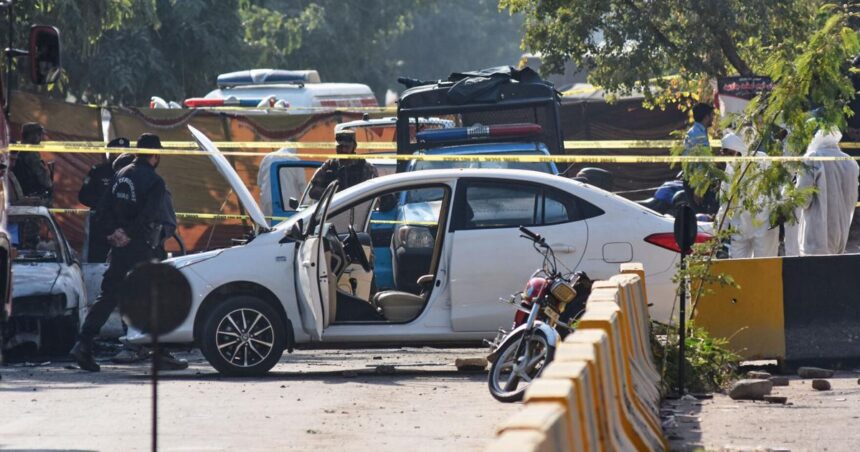
A recent attack on a court located on the edge of the city, adjacent to a residential area, has heightened concerns regarding the effectiveness of security operations aimed at combating militant activities in the Pakistani capital. Despite numerous operations by security forces to eliminate terrorist threats, this incident underscores that extremist groups still possess the capabilities to execute high-profile bombings.
The shocking event raises critical questions about the safety protocols in place to protect both public spaces and their patrons. Witnesses reported seeing chaos unfold as the bomb detonated, leading to immediate fears for civilian safety in nearby neighborhoods. The close proximity to residential areas was particularly alarming for residents, many of whom expressed their anxiety over the potential for future attacks.
Authorities are now under increased pressure to assess and refine their counter-terrorism strategies. They face the difficult task of balancing the need for heightened security with the rights and freedoms of citizens. The incident serves as a stark reminder of the ongoing challenge posed by militant factions, which continue to leverage fear to disrupt daily life.
Security experts believe that more comprehensive intelligence-gathering and community involvement are crucial components needed to thwart future attacks effectively. They emphasize that proactive measures must be established, not merely reactive responses, to ensure public safety and restore trust in law enforcement agencies.
The attack has ignited discussions among policymakers and security analysts regarding the resilience of militant networks in the region. As investigations unfold, the focus will likely turn to understanding the operational methods of these groups and formulating strategies to mitigate their influence on local and national security.