In a surprising turn of events for the cryptocurrency sector, Morgan Stanley has launched its own spot Bitcoin exchange-traded fund (ETF), named MSBT, marking a significant shift from its earlier stance. In 2017, the bank’s analysts infamously described Bitcoin as potentially worthless, suggesting that its intrinsic value could be zero. Fast forward nine years, and Morgan Stanley, one of the largest banks on Wall Street, is now taking a leading role in the Bitcoin market.
The ETF, which trades under the ticker MSBT, comes with a competitive annual fee of 0.14%—the lowest among existing spot Bitcoin ETFs, including BlackRock’s IBIT, which charges 0.25%. This fee structure is particularly important as Morgan Stanley leverages its extensive network of approximately 16,000 financial advisors to directly offer this product to clients looking for Bitcoin exposure. This distribution advantage differentiates MSBT from previous Bitcoin ETFs, as clients are more likely to rely on their advisors’ recommendations rather than shopping around for better deals.
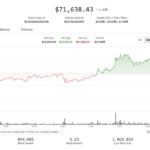
On its very first day of trading, MSBT saw impressive activity, garnering around $34 million in net inflows with over 1.6 million shares traded. The fund also acquired 430 Bitcoin, positioning itself among the top 1% of ETF launches in the past year, a remarkable feat considering most new ETFs typically average about $1 million in initial inflows. This successful debut comes on the heels of the Bitcoin ETF sector experiencing its first positive monthly inflows of 2026, recovering from a streak of four months of outflows.
Within the ETF market, MSBT’s fee advantage, though seemingly minor on a small investment, becomes increasingly significant for high-net-worth individuals making substantial investments. For example, on a $10,000 investment, the fee difference translates to about $11 per year. However, for clients allocating six or seven figures to Bitcoin, these savings can accumulate substantially over time.
Morgan Stanley’s direct access to clients through its financial advisors presents a compelling competitive edge. Historically, most Bitcoin ETFs were launched by asset management firms like BlackRock or Fidelity, which lacked this personal touch. Consequently, when advisors recommend allocating a percentage of clients’ portfolios—typically between 2% and 4%—to Bitcoin, they will now point clients toward MSBT instead of competing funds.
In a broader context, Morgan Stanley has signaled its ongoing commitment to cryptocurrencies by filing for Ethereum and Solana trusts in January, and it aims to launch retail crypto trading on E*Trade in the first half of the year. This launch of the MSBT appears to be the initial step in a larger strategy to establish a significant foothold in the crypto space.
Financial experts suggest that current holders of BlackRock’s IBIT do not need to rush to switch to MSBT, given that IBIT boasts over $53 billion in assets and has significantly higher daily trading volumes, which can yield better prices for buying and selling. For self-directed investors utilizing platforms like Schwab, Fidelity, or Robinhood, IBIT currently remains the superior choice.
However, for Morgan Stanley wealth management clients or newcomers to Bitcoin, MSBT presents an attractive option. Not only does it feature a lower fee, but it is also integrated within their existing advisory relationships, indicating that Morgan Stanley is serious about expanding its role in the cryptocurrency market. In essence, this launch represents more than just a fee comparison; it highlights a major shift in institutional sentiment toward Bitcoin and the broader acceptance of cryptocurrencies in traditional finance.