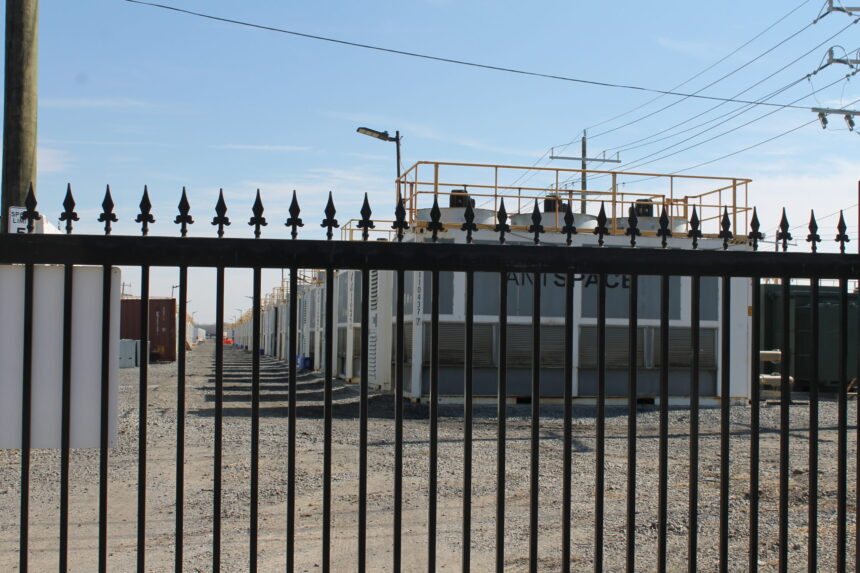
A data center in Muskogee, Oklahoma, operated by Polaris, has faced scrutiny over workplace safety and state environmental violations amidst its substantial water consumption. This facility, part of a growing trend to attract data centers to the region, has been using an estimated two million gallons of municipal water daily, raising concerns among local residents about resource management, especially during periods of drought.
Darren Blanchard, a resident of Mounds, voiced his frustration after being arrested for exceeding the time limit for public comments at a Claremore City Council meeting addressing a proposed data center. He pointed out the contradiction between urging citizens to conserve water and the extensive usage by data centers. “Water’s a finite resource… During drought-prone months… we have data centers using millions of gallons per day. I have trouble comprehending that,” he remarked.
As technology firms increasingly turn toward artificial intelligence (AI) and cryptocurrency, data centers have emerged as significant consumers of both electricity and water. According to consulting firm McKinsey & Company, these facilities are projected to account for 12% of electricity consumption in the U.S. by 2030. This intensifying demand on power grids has resulted in both higher energy costs for residents and concerns about the environmental impact of reliance on fossil fuel energy sources, particularly from diesel-powered backup generators common in data centers.
Research from institutions including the University of California at Riverside and the California Institute of Technology highlighted the public health risks associated with emissions from these facilities, linking pollutants from diesel generators to serious health issues such as lung cancer, heart disease, and cognitive decline. The anticipated public health burden from data centers is estimated to reach $20 billion by 2030, a cost already exceeding that of coal-based steel production.
Muskogee has become a surprising focal point for data center activity, with notable projects from companies like Google and Core Scientific, in addition to Polaris. The infrastructure in the area, including an OG&E substation, has drawn these operations to a site located near both residential and agricultural land. Local officials have expressed curiosity about the influx of such industries in the town.
Data centers often derive their electricity from local grids, supplementing with diesel generators during outages, which has raised concerns regarding air quality and public health. Recently, four air permit applications from data centers in Oklahoma, including those mentioned, indicated plans to utilize diesel storage tanks for generator operations. Despite efforts to maintain sustainability, there are calls for these companies to adopt standardized reporting practices for air pollutants, as current sustainability reports often lack transparency regarding emissions.
Polaris, the largest electricity consumer in the area, claims to contribute significantly to the local economy, providing $1.2 million annually for water while being responsible for approximately 6% of Muskogee’s total water supply. However, the company has engaged in legal disputes with the city over annexation issues and has expressed concerns regarding a franchise tax imposed on local businesses, which amounts to 3% of their electricity use.
In late 2024, an inspection by the Occupational Safety and Health Administration (OSHA) uncovered multiple safety violations at the Polaris facility, resulting in a penalty of approximately $68,000. Issues identified included coolant spills on the floor, unprotected work around energized circuits, and insufficient employee training for handling electrical equipment and cooling systems.
In a parallel inspection, the Oklahoma Department of Environmental Quality reported several violations concerning the facility’s environmental practices, particularly its failure to implement measures to prevent sediment from entering a local creek.
The increasing presence of data centers in regions like Muskogee continues to stir complex conversations about sustainability, public health, and resource allocation as municipalities grapple with the demands of emerging technologies.