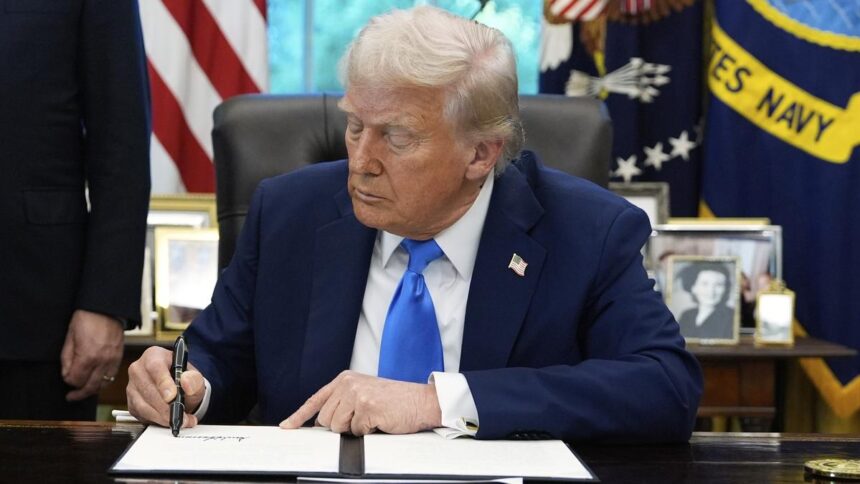
India’s technology services sector is on high alert following a recent proclamation from the White House regarding significant changes to the H-1B visa program. On September 19, 2025, the U.S. administration announced a new annual fee of $100,000 for H-1B visa applications. This move is part of a broader reform of the skilled worker program aimed at reshaping the landscape of employment for international professionals.
Nasscom, the nation’s leading trade association for the technology sector, highlighted that adjustments of this nature could have significant ripple effects on America’s innovation ecosystem and its broader job market. This fee hike is poised to disrupt business continuity for Indian tech services companies engaged in onshore projects, necessitating strategic adjustments to maintain service delivery and operational effectiveness.
While the association is in the process of reviewing the finer details of the announcement, it acknowledged that Indian nationals currently holding H-1B visas, as well as companies that rely on them, will face challenges. Firms will need to closely collaborate with their clients to adapt to the changes and manage potential transitions in workforce deployment.
Despite these challenges, Nasscom pointed out a positive trend: many Indian and India-centric companies have been actively decreasing their dependency on H-1B visas by ramping up local hiring in the U.S. over recent years. These firms are committed to adhering to all pertinent governance and compliance measures, ensuring that they pay prevailing wages, thereby contributing to the local economy and fostering innovation partnerships with academic institutions and startups.
The timeline for implementation of the fee—specifically the requirement for any applicants entering the U.S. after 12:01 a.m. on September 21—has also raised concerns. The suddenness of this deadline adds a level of unpredictability for businesses, professionals, and students globally. Nasscom expressed that policy shifts of this magnitude should ideally incorporate sufficient transition periods to enable organizations and individuals to prepare effectively and minimize disruption.
Nasscom has consistently reiterated the importance of high-skill talent in driving innovation, competitiveness, and overall growth for the U.S. economy, particularly at a time when advancements in artificial intelligence and other cutting-edge technologies are defining global competitiveness. The organization asserts that access to high-skill talent is crucial for maintaining America’s leadership in innovation and strengthening its long-term economic vitality.
As developments continue to unfold, Nasscom plans to monitor the situation closely, engage with industry stakeholders regarding the implications of these changes, and seek further clarity on the discretionary waiver process that will be administered by the Secretary of Homeland Security.