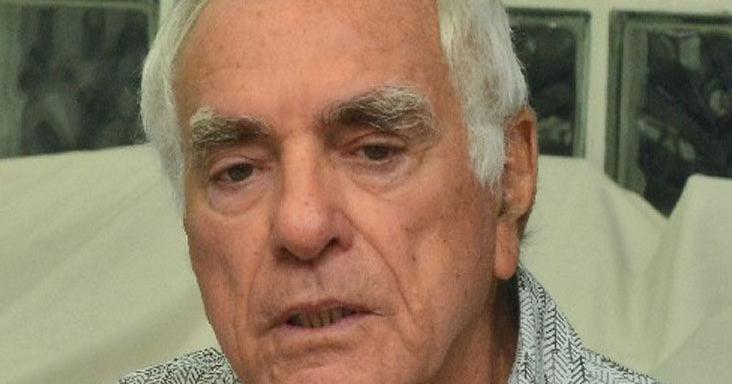
Emile Elias, executive chairman of NH International (Caribbean) Ltd, has made a compelling appeal to Prime Minister Kamla Persad-Bissessar to increase the US dollar exchange rate from the current rate of $6.80 to $9. Elias’s statement, made to the Sunday Express, echoes widespread concerns within the nation regarding the implications of the current exchange rate, which the Central Bank states is at $6.79 for one US dollar.
Elias sharply criticized former finance minister Colm Imbert, labeling him as the worst minister in Trinidad and Tobago’s economic history. He contended that Imbert’s “reckless” decisions concerning foreign exchange and the economy were supported by former Prime Minister Dr. Keith Rowley, leading to a deterioration of the country’s economic stability. Elias stressed that the responsibility for correcting these missteps now lies with Persad-Bissessar.
Elias proposed that the Prime Minister empower the Central Bank Governor with authority over monetary policy, suggesting that the Finance Minister should concentrate on fiscal matters such as the national budget and government expenditures. He argued that decisive action could restore credibility to Trinidad and Tobago’s financial standing, eliminate the black market, and enhance both export capabilities and investment inflows.
In his critique, Elias emphasized the detrimental impact of Imbert’s policies, particularly the abandonment of the managed float exchange rate system that previously supported the economy. He asserted that the failure to perform gradual adjustments allowed for significant economic decline, leading to vanishing foreign reserves and the establishment of a thriving black market where the US dollar trades at significantly higher rates than the official one.
Elias illustrated the severity of the crisis, highlighting that the nation’s foreign net reserves had collapsed from $11.45 billion in 2014 to near zero. He noted that the government’s reliance on borrowing to maintain appearances of economic stability only worsened the situation, ultimately driving the country toward potential International Monetary Fund (IMF) intervention—a scenario he described as disastrous for the population.
He recalled previous strong leadership decisions, such as former Prime Minister Patrick Manning’s actions in 1993, which freed the currency, moving from TT$4.25 to TT$5.75 per US dollar. Elias urged the Prime Minister to take a similar bold step today by adjusting the exchange rate, arguing that delay would lead to further ruin.
Notably, Elias outlined a series of recommendations aimed at protecting the most vulnerable citizens during proposed economic adjustments. He suggested implementing a targeted food stamp program, adjusting electricity rates, and increasing the minimum wage to ensure that workers are lifted from poverty, regardless of the objections from wealthier business owners.
Elias concluded by stressing that merely shifting who benefits from scarce foreign exchange resources would not address the root of the crisis. He emphasized that a decisive correction of the exchange rate was essential for revitalizing the economy and securing a stable financial future for Trinidad and Tobago.