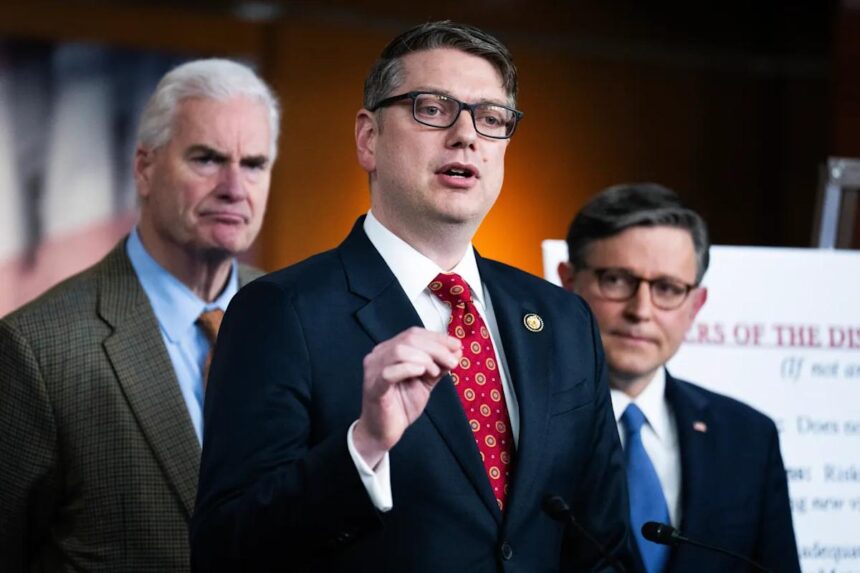
In a significant move within the cryptocurrency landscape, Congressman Nick Begich (R-AL) has proposed the American Reserve Modernization Act (ARMA), which aims to create a U.S. Strategic Bitcoin Reserve (SBR) backed by approximately 5% of the global Bitcoin supply. This initiative targets funding through assets seized from Iran during Operation Economic Fury, with Begich asserting that the plan would require no taxpayer dollars.
Describing the proposed reserve as “the new Fort Knox,” Begich emphasized the urgent need for the GOP to pass the legislation in the six months leading up to the November midterms. This call to action reflects concerns that Republican control of Congress may not remain intact after the elections. “Conservatives have a tight six-month window to pass this bill and lock it into law,” he warned, emphasizing the vulnerability of executive orders to future administrations.
The concept has gained traction within the White House, where Patrick Witt, the executive director of the Presidential Advisory Committee on Digital Assets, highlighted the legal and custodial frameworks that support the reserve at the Consensus 2026 conference. Witt referred to these developments as a “breakthrough,” noting that the project’s processes are fully compliant with existing laws and equipped with necessary asset protection measures. He cited challenges faced by the U.S. Marshals Service with its seized crypto holdings to underline the importance of implementing a robust custodial system.
Under the proposed legislation, the U.S. government could emerge as one of the largest holders of Bitcoin globally, effectively recognizing Bitcoin as a sovereign reserve asset similar to gold. Witt articulated the need for proactive measures in the policy space, stating, “If we’re not setting the rules, we will be following somebody else’s rulebook.”
Meanwhile, the price of Bitcoin has shown a slight increase, trading at approximately $76,360, reflecting improved retail sentiment on platforms like Stocktwits, where discussions around Bitcoin have shifted from “extremely bearish” to “bearish.”
The move reflects a broader trend towards recognizing the strategic value of cryptocurrencies within national financial frameworks, and the ARMA could redefine the role of Bitcoin in the fiscal landscape of the United States. Additional reports have indicated a collaborative effort involving cross-agency work, led by Harry John, with support from Stephen Miller’s policy team, to further solidify the initiative.
As the political and financial communities watch closely, the coming months will be crucial for the future of the U.S. Strategic Bitcoin Reserve and its implications for both cryptocurrency and national security policy.