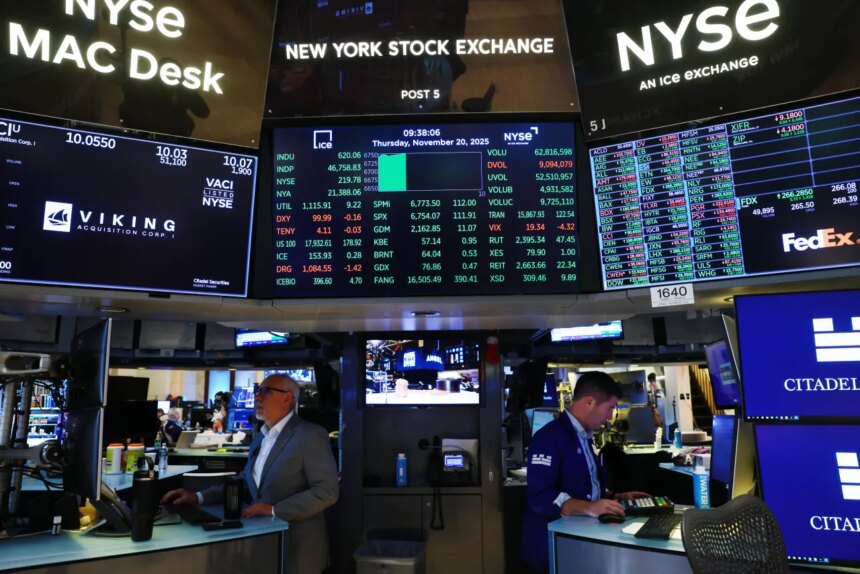
The New York Stock Exchange (NYSE) is making significant strides toward launching a tokenized securities platform that will enable around-the-clock trading of stocks and exchange-traded funds (ETFs). This innovative platform promises near-instant settlements, contingent upon regulatory approvals.
François, a prominent crypto analyst, highlighted on social media platform X that Chainlink, a key player in the blockchain infrastructure realm, is not being sidelined in the development of this new trading system. He acknowledged that while large infrastructure tools like Chainlink often go through gradual adoption phases, they are exciting components in the evolving financial landscape. François emphasized the importance of separating technological advancements from mere speculative investments, urging investors to focus on the long-term impact of projects like Chainlink rather than short-term price fluctuations.
Chainlink’s current trading price was reported at $12.52, reflecting a 1.7% decline within the last day. Retail sentiment surrounding Chainlink has shifted from a ‘bullish’ outlook to a more ‘neutral’ stance, accompanied by normal levels of discussion across social media platforms.
The NYSE’s newly proposed platform aims to support 24/7 trading alongside fractional and dollar-sized orders, utilizing a combination of its Pillar matching engine and a blockchain-based post-trade infrastructure. This system is designed to accommodate multiple settlement and custody chains, ensuring that tokenized shares remain convertible to traditionally issued securities. The tokenized assets will provide investors with the same economic and governance rights as conventional stocks, including entitlement to dividends and voting rights. Access will be regulated and available only to qualified broker-dealers, adhering to existing market infrastructure rules.
This initiative aligns with a broader effort by Intercontinental Exchange (ICE) to enhance always-on market infrastructure. ICE has been collaborating with major banks such as the Bank of New York Mellon and Citi to develop tokenized deposits for its clearinghouses, facilitating funding, margin, and liquidity management beyond traditional banking hours.
The movement toward tokenization in market infrastructure reflects a growing trend among institutional players who are keen to explore blockchain-based trading and settlement options while remaining within regulatory frameworks. This evolution comes in the context of the U.S. financial markets preparing for a transition to T+1 settlement cycles in 2024, highlighting a significant shift in how transactions might be executed in the future.
In summary, the NYSE’s intentions to adopt a blockchain-driven trading platform signal a pivotal moment in financial markets, blending traditional and innovative practices to redefine trading and settlement processes in the years to come.