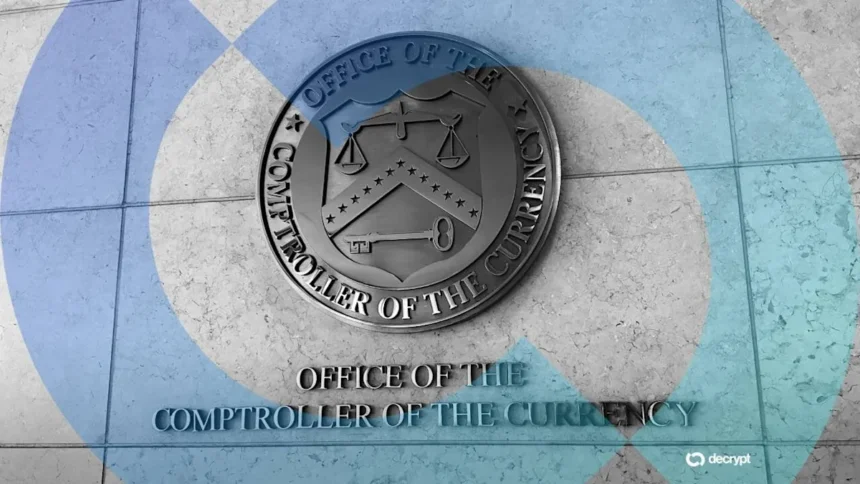
A significant initiative from the Treasury Department has emerged this week, as the Office of the Comptroller of the Currency (OCC) issued preliminary rules addressing the implementation of the GENIUS Act, a legislation aimed primarily at the stablecoin sector. The proposed regulations are extensive, spanning 376 pages, and set forth a framework that may reshape existing stablecoin reward systems within the U.S.
The OCC’s announcement introduces several restrictions, particularly concerning stablecoin rewards. Notably, the regulations appear to impose bans on specific arrangements where third parties transfer yields to stablecoin holders regarding their “holding, use, or retention” of digital tokens. This detail raises concerns for current practices, such as the partnership between Circle, which issues the USDC stablecoin, and cryptocurrency exchange Coinbase, where revenue from USDC reserves is shared, resulting in approximately 4% yields for Coinbase users.
Industry experts remain divided on the implications of these proposed rules. Some crypto policy leaders assert that the OCC’s language could significantly affect Coinbase’s USDC rewards program, while also acknowledging the complexities involved in the proposed regulation that might allow for potential workarounds. A notable viewpoint was shared by one policy expert who anticipates Coinbase will have to modify its rewards structure in some capacity once the GENIUS Act is fully enacted.
Additionally, Coinbase has a vested interest in any operational changes, given its reported $1.3 billion revenue from stablecoin activities last year, with the USDC rewards program being recognized as a key contributor to its projected growth in 2025. Coinciding with these developments, some leaders in the crypto space have criticized the OCC’s proposed rulemaking as regressive, asserting that such measures could stifle innovation.
Scott Johnsson, a finance attorney and venture capitalist focused on cryptocurrency, remarked that the proposed changes are likely to have a direct impact on the Coinbase rewards offering. However, he also hinted at the potential for these rules to be contested and perhaps revised. Conversely, officials from Circle, including CEO Jeremy Allaire, have lauded the OCC for its proposed regulations, framing them as a move towards advancing U.S. leadership in digital finance.
Despite some expressions of optimism, skepticism remains prevalent within the banking industry, with insiders indicating that the OCC’s proposals do not adequately alleviate concerns over stablecoin rewards potentially diverting clients from traditional bank accounts. The banking sector has been actively lobbying for tighter regulations on stablecoin yields, seeking permanence in any legal restrictions.
The ongoing discussion surrounding stablecoin yields continues to be contentious, particularly as representatives from both the banking and crypto sectors negotiate a broader market structure bill. As debates progress, experts suggest that the OCC’s proposed regulations may not satisfy either side completely, hinting at a complex landscape ahead for stablecoin regulation within the U.S.