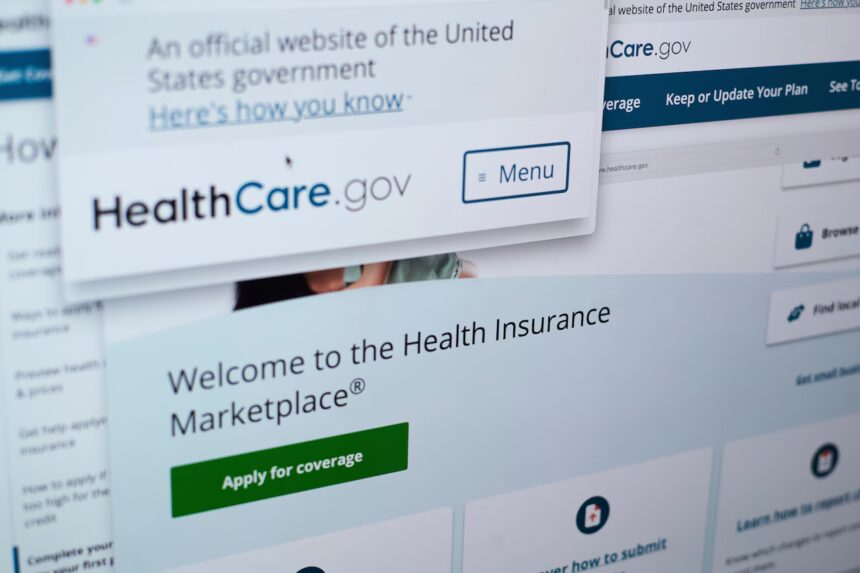
CLEVELAND, Ohio – A significant number of Ohio residents may face dire financial consequences regarding their healthcare access unless Congress acts swiftly to extend expiring federal insurance premium aid. In a climate where affordable healthcare options hang in the balance, the potential expiration of critical tax credits could redefine access to necessary medical services for millions.
The looming uncertainty around health coverage comes amid ongoing legislative negotiations that recently saw healthcare provisions leveraged during discussions to end a federal government shutdown. Experts are sounding alarms regarding the potential fallout from the expiration of tax credits that currently assist around 22 million Americans, including over half a million individuals in Ohio.
Dr. Arthur Lavin, a retired pediatrician and co-chair of Doctors Organized for Healthcare Solutions, warned about the grave implications of losing health insurance. “When you push someone off their health insurance, you’re condemning them to not getting health care, and that could be deadly or impairing,” he said. Lavin highlighted the realities of medical emergencies—accidents, heart attacks, strokes, and illness—that necessitate insurance coverage.
According to recent data, more than 20% of Ohioans are already dealing with medical bill challenges. The existing tax credits serve to lower the premiums for many individuals enrolled in marketplace insurance plans. These credits are sent directly to insurers based on individuals’ income and local health plan costs, meaning that enrollees themselves usually do not see the funds.
Should these credits expire, Ohio is likely to witness a dramatic surge in premiums affecting approximately 513,000 out of 583,000 beneficiaries of Obamacare plans—representing a staggering 88% of enrollees. The potential consequences could push many Ohioans into a position where they can no longer afford their healthcare coverage.
The Congressional Budget Office projects that without the extension of these credits, around 4 million people may lose insurance altogether. Senate Republicans have previously committed to addressing the issue in exchange for bipartisan support to reopen government operations. However, amidst political standoffs, no decisive moves have yet been made.
Originally introduced in 2021 as part of a COVID relief package, and temporarily extended through the Inflation Reduction Act, these enhanced premium tax credits have successfully reduced average monthly premiums for federal marketplace enrollees in Ohio—from $215 in 2017 to just $126 in 2023. Yet, forecasts predict that without an extension, average annual costs could more than double by 2025, further exacerbating the already high cost of living Americans face today.
Recent surveys reveal troubling trends: over one in five Ohio residents reported difficulties in paying medical bills in 2023, a figure expected to climb considerably if premium costs soar. The Kaiser Family Foundation estimates that annual out-of-pocket premium expenses for marketplace enrollees could rise by 114% next year, potentially reaching nearly $2,000.
For example, a 27-year-old earning $35,000 would see their annual premium jump from $1,033 to $2,615 without the enhanced tax credit. Similarly, a couple aged 35 making $30,000 could find themselves responsible for $1,107 annually instead of paying nothing under the current arrangement.
The potential spike in uninsured individuals—estimated at around 140,000 more residents in Ohio—would elevate the state’s uninsured rate by 29%. This surge in the uninsured population poses not just a personal risk to these individuals but also threatens to overwhelm already stretched healthcare systems, putting additional pressure on hospitals and healthcare providers.
The ripple effects of losing insurance coverage extend beyond the uninsured, as healthcare experts warn that an overburdened system could affect the quality of care available to all. “Even if you’re lucky and well off enough that your insurance is safe, your hospitals are being put under strain,” Lavin noted, emphasizing that access to timely care could become increasingly problematic for everyone.
Polling data indicates a strong preference among marketplace enrollees for an extension of these critical tax credits, with many placing blame for the potential fallout on former President Trump and congressional Republicans rather than on Democrats.
As Democrats advocate for a straightforward extension of the credits, opposition from Republicans complicates the path forward, with calls for reforms to the Affordable Care Act entering the fray. As discussions continue, the urgency for a vote grows, leaving many healthcare advocates and affected individuals anxiously watching the legislative clock tick down.