







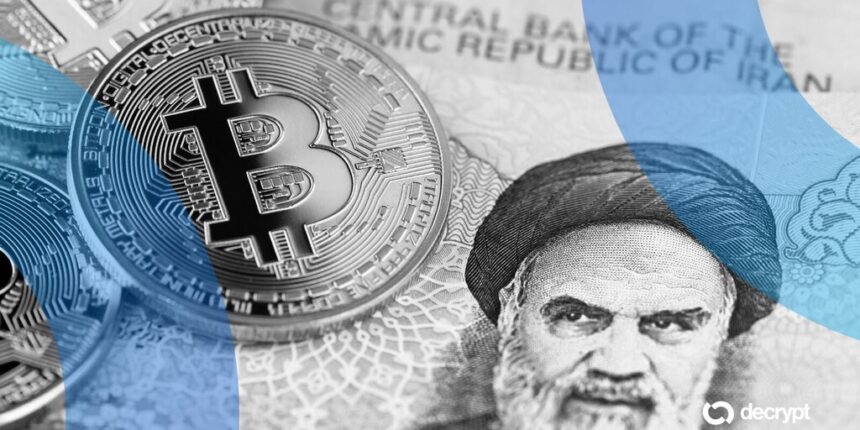
Oil prices are on the rise, approaching the $100 per barrel mark as geopolitical tensions near the strategically crucial Strait of Hormuz escalate. This surge in crude prices is influenced by recent developments involving Iran, where U.S. President Donald Trump issued a 48-hour ultimatum for the country to fully reopen the corridor. Failure to comply could lead to strikes on Iranian infrastructure, prompting Tehran to threaten a complete closure of this vital oil shipping route.
In the financial markets, Bitcoin appears to be consolidating after experiencing a slight decline in recent days. As of Sunday, the cryptocurrency traded around $68,000, marking a 2% decrease over a 24-hour period and about a 6% fall over the past week. This decline comes as the Iranian conflict enters its fourth week, coinciding with a broader pullback in risk assets, particularly in U.S. equities. The S&P 500 index has recorded drops for four consecutive weeks, recently dipping below its 200-day moving average for the first time since March 2022, with both the S&P 500 and the Nasdaq down approximately 4% to 5% in October.
Despite these pressures, Bitcoin’s monthly performance has been relatively stable, exhibiting a modest loss of just 0.2%. Analysts suggest that earlier rounds of deleveraging in the cryptocurrency market have shielded it from steeper declines experienced by traditional assets. John O’Loghlen, managing director for the APAC region at Coinbase, indicated that Bitcoin has outperformed traditional assets on a risk-adjusted basis since the onset of the Iran war, noting an increase in institutional inflows into crypto and Bitcoin ETFs as oil becomes a crucial factor in global inflation.
Market experts perceive signs of resilience within the crypto landscape, highlighting that Bitcoin has been maintaining support at the lower end of its trading range while facing resistance at higher levels. Nischal Shetty, founder of WazirX, reiterated that despite the macroeconomic uncertainties, demand from buyers remains evident.
This week, analysts are watching closely for flash Purchasing Managers’ Index (PMI) data from major economies, as these indicators could significantly influence expectations for inflation and interest rates, further impacting both traditional and crypto markets. The coming days are poised for potential volatility driven by macroeconomic developments as well as the persistent geopolitical climate surrounding oil supply routes.


