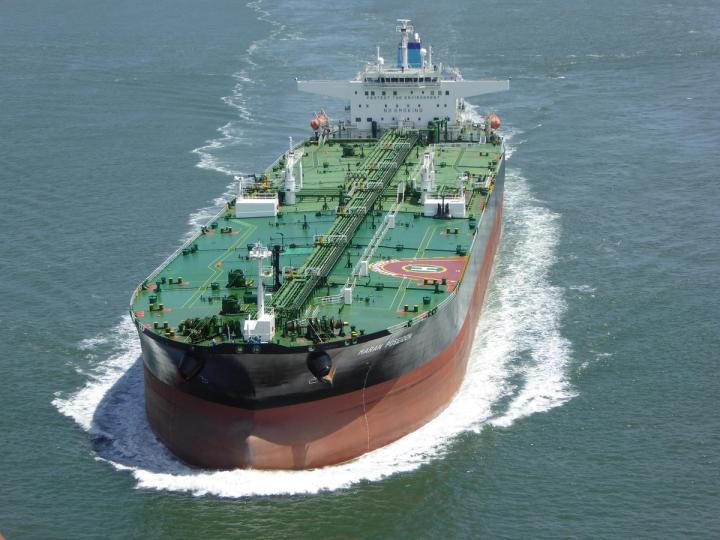
Oil prices have surged above $100 a barrel, driven by escalating geopolitical tensions and supply concerns stemming from the recent military conflict involving the U.S., Israel, and Iran. This spike comes as Iran has significantly disrupted oil flows through the crucial Strait of Hormuz, a passage that facilitates more than $500 billion in oil and gas trade annually.
Traders are now increasingly focused on oil accessibility rather than merely supply and demand metrics. The crude oil market has essentially split into two distinct segments: those barrels vulnerable to geopolitical disruptions, and those capable of reaching markets reliably. The latter category is exemplified by Murban crude oil, which has recently traded above $103 per barrel, demonstrating a notable premium over other major benchmarks such as WTI and Brent.
The rising price of Murban crude, largely produced by the Abu Dhabi National Oil Company, signals a strong demand from refiners for immediate physical deliveries, diverging from the speculative nature often associated with futures trading. Murban, characterized as a premium, light, and sweet crude, is exported through the Fujairah Oil Terminal, strategically located outside the Strait of Hormuz, ensuring access to buyers across Asia, including Japan, India, Thailand, and the Philippines, as well as some European markets.
The implications of Murban’s price crossing the $100 threshold extend beyond crude pricing. It represents the market’s assessment of geopolitical risk, emphasizing that the accessibility of oil—rather than its mere existence—is crucial in shaping valuations. As trading resumes, broader benchmarks like WTI and Brent are expected to follow suit, potentially climbing into three-figure territory and affecting both Asian and global equity markets.
For risk assets, including bitcoin, the situation remains delicate. Bitcoin, currently valued near $67,000 after reaching highs of nearly $74,000 earlier in the week, could face pressure as escalating oil prices heighten inflation concerns. These inflation fears might lead central banks to reconsider interest rate policies, tightening liquidity conditions that are critical for assets like bitcoin, which lacks underlying cash flow or revenue.
Since the outbreak of the military conflict, WTI and Brent crude oil prices have already climbed approximately 30%. As the situation evolves, both equity markets and risk assets like bitcoin are likely to feel the ripple effects of these changes in the oil market.