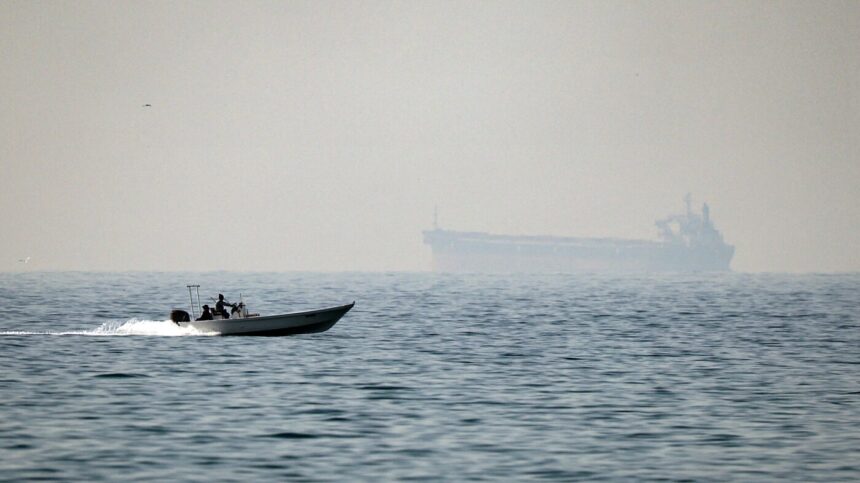
A significant escalation in geopolitical tensions has resulted in a marked impact on global oil markets as the conflict with Iran enters its third consecutive day. Following a series of attacks on Iranian territory by the United States and Israel, Iran declared the closure of the crucial Strait of Hormuz, leading to a near-total halt in tanker traffic through this vital maritime passage.
In response to the turmoil, global crude oil prices surged approximately 8%, with Brent crude, the benchmark for international oil, trading in the high $70s early Monday. This is a dramatic rise compared to pre-conflict levels, although analysts caution that prices could exceed $100 per barrel if the situation persists or worsens, particularly if neighboring countries are drawn into the conflict or if oil infrastructure is damaged.
Saudi Arabian authorities reported successfully intercepting drones targeting oil facilities, while Qatar Energy confirmed that two of its natural gas installations came under attack. The ongoing violence has raised alarm bells among shipping companies and insurers, leading to an overwhelming concern for vessel safety in the region.
The immediate aftermath of these developments saw stock markets react sharply, with the Dow Jones Industrial Average plummeting by as much as 600 points at one stage. However, by midday, losses had begun to moderate, with the index trading down by just over 10 points. Meanwhile, other major indices like the S&P 500 and the Nasdaq showed slight gains.
Analysts anticipate that U.S. gasoline prices are poised to rise in the coming days due to the spike in crude oil costs. Estimates suggest an increase of 10 to 30 cents on average, with some gas stations potentially marking up prices by as much as 85 cents. The Strait of Hormuz plays a pivotal role in global oil supply, with about 20% of worldwide consumption passing through this bottleneck. The conflict has already seen four vessels targeted in Gulf waters since hostilities began, exacerbating concerns about maritime safety.
Additionally, the situation poses risks beyond oil, with the Strait serving as a critical conduit for liquefied natural gas (LNG) trade. Following similar disruptions, European natural gas markets surged more than 20%. While higher prices favor U.S. companies involved in LNG exports, the increased costs inevitably translate into higher electricity prices domestically.
The conflict’s ramifications are being closely monitored, as investors and analysts brace for potential further developments that could impact both energy prices and broader market stability.