









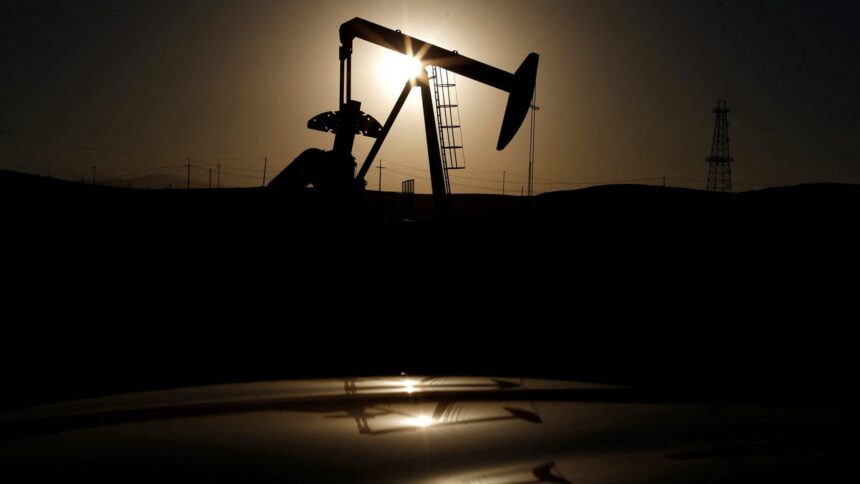
Oil prices surged dramatically on Thursday, with Brent crude soaring over 8% to reach $100 per barrel. This surge reflects ongoing trader skepticism regarding whether the recent release of government stockpiles can adequately offset the significant supply disruptions caused by the ongoing conflict in the Middle East. The West Texas Intermediate (WTI) also saw a notable increase, climbing 8.8% to $95 per barrel.
Despite the International Energy Agency (IEA) announcing its largest ever emergency release of crude reserves—400 million barrels from its 32 member countries—the oil market showed little sign of stabilizing. This coordinated drawdown marks the most extensive intervention since the agency was established following the 1973 oil crisis.
As part of this initiative, the United States committed to releasing 172 million barrels from its Strategic Petroleum Reserve. Energy Secretary Chris Wright indicated that shipments could commence next week, with the process expected to take around 120 days to complete. However, the IEA’s decision also underscores the acute risk of oil shortages, suggesting the conflict may endure longer than anticipated.
Traders are expressing growing unease over these developments. “Prices right now are still in panic mode. There is a lot of emotion, fear, and uncertainty built into the price that we see,” said Pavel Molchanov, a senior investment strategist at Raymond James. The IEA’s stock release, while significant, is projected to fill only a fraction of the 20 million barrels per day supply gap caused by ongoing disruptions in the Strait of Hormuz, a critical passage for approximately one-fifth of global oil supply.
Market anxieties are compounded by uncertainty about the delivery timeline of the promised oil reserves. While the IEA’s announcement was a historic intervention, the specifics regarding how quickly member countries can release their reserves remain vague. “That’s one of the key question marks, which is how long will it take for the 400 million barrels to be physically delivered to the market,” Molchanov noted.
Although 400 million barrels is a substantial figure, the scale of the current oil supply disruption—described as the largest since the 1970s—means that immediate relief may be difficult to achieve. Many industry experts estimate it could take between 60 to 90 days for the oil to start meaningfully reaching market levels, longer than what traders were hoping for as they seek prompt solutions to soaring prices.
As the situation continues to unfold, the energy market remains on high alert, navigating through a landscape filled with unpredictability and fear surrounding the persistence of the conflict.