In a bold statement following the chaotic events of October 10, OKX CEO Star Xu contended that the significant market crash was not simply an unfortunate accident, but rather the result of high-risk yield campaigns linked to USDe. Xu criticized the narrative put forth by Binance, which attributed the turmoil to macroeconomic shocks and market-structure issues. His assertions suggest a deeper, systemic problem plaguing the cryptocurrency landscape.
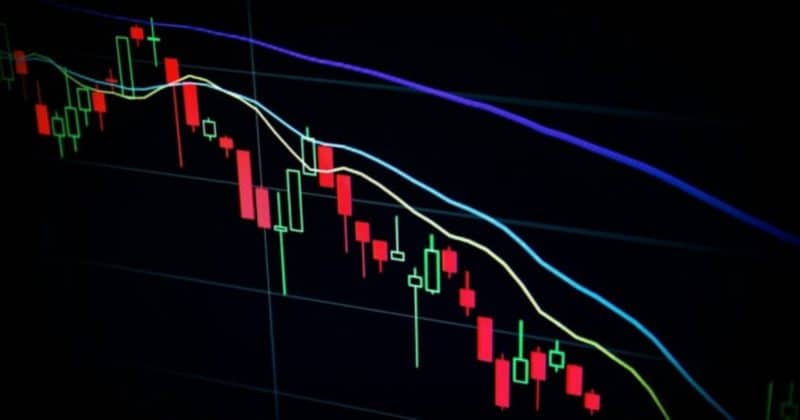
Xu’s analysis indicates a staggering impact of the incident, which saw liquidations surpassing $19 billion within a span of just 24 hours. Approximately 1.6 million traders were affected, raising concerns about the fragility of the current market structure. “We observed clearly that the crypto market’s microstructure fundamentally changed after that day,” Xu stated. He likened the damage to the fallout from the FTX collapse, hinting at potentially more extensive ramifications.
He argued that a buildup of systemic risks occurred silently across various platforms, only to be unveiled by the sudden market volatility. Central to his concerns was the promotion of USDe in aggressive user-acquisition campaigns, which touted double-digit yields while allowing it to function as collateral. Xu emphasized that USDe should not be viewed in the same risk category as more traditional stablecoins like USDT and USDC. “USDe embeds hedge-fund-level risk,” he asserted, distinguishing it from safer products such as those offered by BlackRock and Franklin Templeton.
As USDe was treated as if it were interchangeable with stablecoins, this inconsistency led to leverage loops, where investors shifted between USDT, USDC, and USDe, escalating their exposure to risk. The resultant spike in annual percentage yields (APYs) from 24% to over 70% suggests an unsustainable environment. Xu highlighted that when the market faced volatility on October 10, even minor shocks had significant consequences, leading to a rapid depegging of USDe and subsequent liquidations. The cascading effect further complicated the situation, as weaknesses in risk management related to other assets worsened the overall losses.
The fallout from this event has been severe for both individual traders and global companies, including those associated with OKX. Xu acknowledged the long road to recovery, emphasizing the necessity of addressing systemic risks openly, even if it leads to uncomfortable discussions. He clarified that his intent was not to assign blame or target any specific exchanges, including Binance, but to foster a more responsible dialogue within the industry on risk management. Notably, Xu attributed an outsized responsibility for maintaining market stability to Binance, implying that their influence has far-reaching implications.
The crash unfolded in a climate of heightened volatility, notably coinciding with Donald Trump’s announcement of a 100% tariff on Chinese imports. The interplay of high leverage across centralized exchanges contributed further to the selling pressure that exacerbated the situation. ARK Invest CEO Cathie Wood chimed in, suggesting that the severity of the crash was also related to a software glitch at Binance, referring to it as an “aftershock” following prior market instability.
Xu has previously singled out a significant industry player, accusing them of questionable practices involving low-quality tokens, which he compared to Ponzi schemes that erode trust within the crypto ecosystem. In response to the crisis, Binance outlined that the downturn was propelled by external macroeconomic conditions, exacerbated by elevated leverage and market makers withdrawing liquidity amidst extreme volatility. While Binance reported that its systems functioned throughout the crisis with only minor post-liquidation issues, it acknowledged the necessity of compensating affected users and implementing improved safeguards.
As the industry grapples with the implications of the October crash, Xu’s remarks underscore an urgent need for a more transparent and responsible approach to risk management. The conversations sparked by these events could prove to be pivotal in shaping the future of the cryptocurrency market.