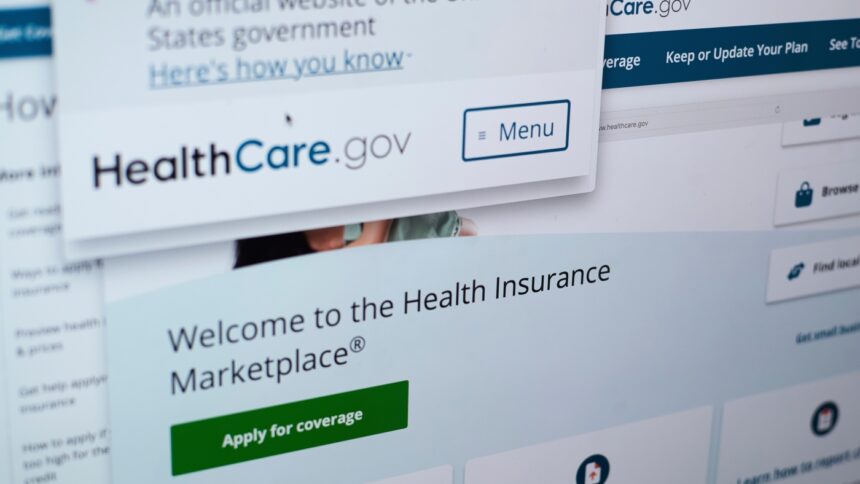
As the deadline approaches for those seeking health insurance under the Affordable Care Act (ACA) for 2026, millions of Americans face a complex decision-making process amid rising premiums and the expiration of enhanced tax subsidies. The official end of open enrollment is January 15, 2026, for coverage starting February 1, with many already missing the chance for coverage beginning January 1.
Many concerned shoppers are turning to insurance brokers and ACA marketplace call centers for guidance. Audrey Morse Gasteier, executive director of the Massachusetts Health Connector, reported an influx of inquiries from individuals with complex medical needs who fear for their health without adequate insurance. The heightened uncertainty surrounding the ACA has prompted some to explore options outside the marketplace, but experts warn such avenues could be fraught with pitfalls.
The likelihood of Congress extending enhanced subsidies before year-end seems slim. Recently, the House passed conservative-backed measures that do not address these subsidies, leaving many advocates pessimistic about prospects in the Senate. However, a group of four GOP moderates has joined Democrats to potentially force a vote in January on a three-year extension, which could allow for retroactive benefits if approved.
In the face of rising costs, shoppers might consider several options and strategies:
-
Short-term Plans: Some may contemplate short-term insurance plans, which are often less expensive but come with significant limitations. These plans are designed to provide temporary coverage and do not comply with ACA standards, meaning they may impose caps on benefits, exclude coverage for preexisting conditions, and often lack essential benefits like maternity care and prescription drug coverage. Critics refer to these as “junk insurance.”
-
Non-comprehensive Coverage: Other alternative options include indemnity plans that supplement traditional insurance but do not adhere to ACA regulations. Similarly, faith-based sharing plans, which pool member contributions to cover costs, disregard specific financial reserve requirements and offer no guarantees for claim payment.
-
Bronze or Catastrophic Plans: For those who prefer to stay within the ACA framework, bronze and catastrophic plans feature lower premiums but come with high deductibles, potentially making them unsuitable for those with limited incomes. It’s important for consumers to be aware of these out-of-pocket costs, which may severely impact their finances.
-
Shopping Around for Better Premiums: It’s prudent for consumers to shop around within the ACA marketplace, as plans can vary significantly and some options may offer lower premiums even within the same insurer. In some instances, individuals with small businesses may qualify for group plans, which could provide additional savings.
-
Preparing for Enrollment: Experts recommend beginning the application process early and ensuring consumers are navigating official ACA websites to avoid fraudulent look-alike sites. While the enhanced subsidies are set to diminish, they will not disappear entirely, with income thresholds still applicable for support.
As the open enrollment period winds down, consumers are urged to carefully consider their options, consult with qualified professionals, and take proactive steps to secure the coverage they need. Early preparation could make a significant difference in both access to healthcare and overall financial wellbeing in the year ahead.