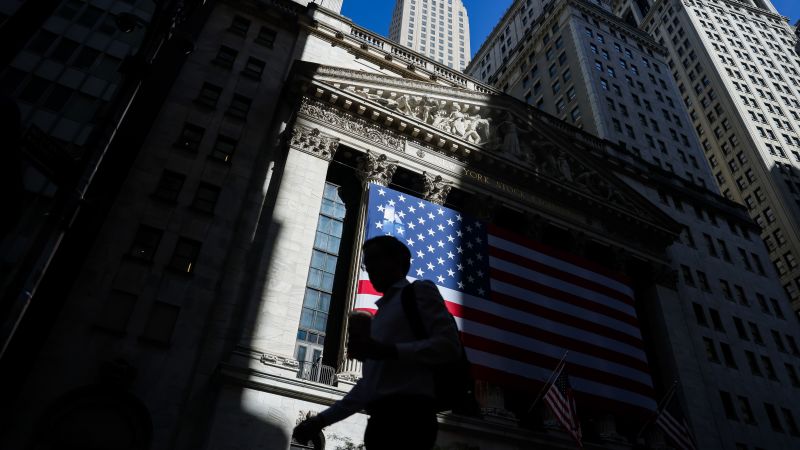
Several major players in the artificial intelligence landscape, including OpenAI, Anthropic, and SpaceX, are gearing up to enter the public market, marking a significant shift for their operations. This move follows Anthropic’s recent confidential filing for an initial public offering (IPO) and comes just ahead of SpaceX’s anticipated market debut later this week.
As these companies prepare to go public, industry analysts predict that this will provide an unprecedented glimpse into the rapidly evolving AI market. The IPOs could potentially result in substantial financial inflow, with estimates suggesting possible stock sales in the hundreds of billions of dollars. However, this newfound visibility comes with the caveat of being subjected to rigorous scrutiny from investors and analysts on Wall Street, who will demand quarterly growth and financial transparency.
The expectations for these AI firms are set extraordinarily high, as evidenced by the recent performance of technology companies in the sector. For instance, Broadcom, which has collaborated with OpenAI and Anthropic, reported an impressive 48% growth in revenue during the second quarter. Nonetheless, the company’s share price plummeted over 13% last week, reflecting investors’ insatiable appetite for even more explosive results.
The broader market, particularly AI chip stocks, has also seen volatility. Following Broadcom’s earnings report, the Nasdaq index experienced three consecutive days of decline, which also contributed to the S&P 500’s worst performance since October. An exchange-traded fund focused on memory chip stocks faced a 15% drop within the same timeframe. As industry analysts like Stacy Rasgon from Bernstein noted, investor demand appears to be unquenchable, with a constant call for greater returns.
Even leading firms like Nvidia have faced similar challenges; the company saw a staggering loss of $600 billion in market value in a single day earlier this year, driven by the entrance of a new competitor from China. OpenAI and Anthropic will likely find themselves under similar pressures as they approach their IPOs.
Recent reports from both OpenAI and Anthropic indicate substantial growth, which they have chosen to disclose voluntarily rather than out of any legal obligation. OpenAI recently reported a valuation surge to $852 billion following a $122 billion funding round in March. It also announced a monthly revenue of $2 billion, doubling its previous quarterly figures. Remarkably, ChatGPT reached one billion users in just three years, a feat that took comparable apps significantly longer to achieve.
On the other hand, Anthropic’s valuation surged from $380 billion to $965 billion within months, surpassing OpenAI’s valuation. The company also reported an annual run-rate revenue of $47 billion, indicating robust business growth.
The decision to pursue IPOs suggests that OpenAI and Anthropic are confident in their business models and paths to profitability as they prepare to answer the probing questions of Wall Street analysts. Observers anticipate that during earnings calls, CEOs Sam Altman (OpenAI) and Dario Amodei (Anthropic) will face scrutiny over various aspects of their business, including any potential delays in product launches and strategies for converting models into revenue-generating products.
Transitioning from private to public ownership often amplifies the pressures companies experience in terms of accountability and growth expectations. As financial advisory CEO Nigel Green noted, private investors may have the patience to support a long-term vision, but public markets demand quicker returns and transparency. The upcoming IPOs are poised to reshape the landscape for these companies, as they adapt to the expectations inherent in public ownership.