OpenAI has announced a new initiative to integrate advertisements into its platform, specifically targeting users on the Free and Go subscription tiers in the United States. This test phase for ads begins amid ongoing discussions about the company’s monetization strategies following the introduction of the low-cost Go plan, priced at $8 per month, which was globally launched earlier this year.
Importantly, users subscribed to OpenAI’s paid plans—such as Plus, Pro, Business, Enterprise, and Education—will not encounter ads in their experience. In a recent blog post, the company highlighted its commitment to ensuring that advertisements won’t influence the responses provided by ChatGPT. OpenAI reassured users that their conversations remain confidential and separate from advertisers. The overarching goal behind this ad initiative is to extend access to enhanced features of ChatGPT while maintaining a trustworthy environment for users engaged in sensitive or personal discussions.
The announcement of advertisements coincided with a marketing campaign from OpenAI’s competitor, Anthropic, which critiqued the idea of AI-integrated advertising in a series of Super Bowl commercials. This campaign lampooned how poorly integrated ads could disrupt user interactions, showcasing actors in a chatbot scenario delivering advice alongside irrelevant advertisements. OpenAI’s CEO, Sam Altman, responded with frustration, labeling the ads as misleading and expressing strong disapproval of Anthropic’s tactics, which he described as authoritarian.
Despite the backlash faced when OpenAI previously experimented with app suggestions that resembled unsolicited advertisements, the company recognizes the necessity of generating revenue from its chatbot platform to sustain technology development and business expansion. Concerns linger among users regarding the potential for ads to sway ChatGPT’s responses, but OpenAI has clarified that advertisements will be tailored for relevance, based on user interests.
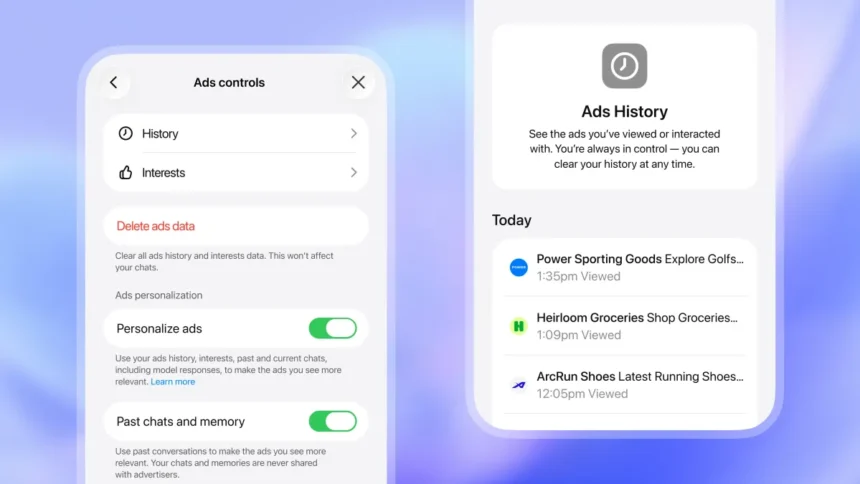
During the testing phase, ads will be matched to users by analyzing conversation topics, past chats, and previous interactions with advertisements. For example, users engaged in cooking-related queries might be served ads for meal kit delivery services. Promising user privacy, OpenAI stated that advertisers would not have access to individual user data, focusing instead on aggregated performance metrics such as impressions and clicks.
In addition to these measures, users will have the capability to track their ad interactions and eliminate their history whenever they choose. Feedback mechanisms will allow users to dismiss ads, provide their insights, understand why they received specific advertisements, and adjust their ad preference settings. Notably, OpenAI also emphasized that users under the age of 18 would be exempt from seeing ads, and that advertisements would not be placed adjacent to topics that could be categorized as sensitive or regulated, including health and political issues.