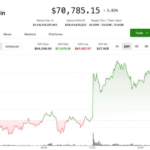
Bitcoin investors are feeling a sense of optimism as the new year commences, buoyed by several on-chain metrics signaling potential bullish trends. Currently trading at approximately $91,700, Bitcoin has recovered from its recent lows of around $87,000, although market sentiment remains fragile due to ongoing macroeconomic uncertainties.
Three crucial indicators are pointing towards a positive outlook for the cryptocurrency. Firstly, the Coinbase Premium Gap, which tracks price discrepancies between Coinbase and Binance, has rebounded after a significant drop to -150 in late December. This recovery suggests that institutional investors, particularly those based in the U.S., are returning to the market, signaling a shift in buying pressure as year-end selling recedes.
Coinbase plays an essential role in facilitating regulated American capital investments, making this rebound particularly noteworthy. Should the premium flip into positive territory, it would confirm renewed dollar-denominated inflows, a critical element supporting previous Bitcoin price surges.
Market psychology is also exhibiting signs of improvement, as evidenced by the Crypto Fear & Greed Index. This index, which gauges investor sentiment by analyzing factors like volatility and trading volume, has risen from 29 to 40, indicating a departure from “Extreme Fear.” While readings differ across various platforms, the overall trend shows an upward trajectory, suggesting a more optimistic market sentiment.
From a derivatives perspective, the BTC long/short ratio remains above the crucial 1.0 mark, despite a recent decline. This metric reflects the volume of long positions versus short positions in the futures market and signifies that more traders are betting on price increases than the opposite. The gradual decline, rather than a sharp downturn, indicates a healthier market structure that minimizes the risk of cascading liquidations.
However, traders are advised to exercise caution despite these encouraging signals. The Fear & Greed Index lingers in “Fear” territory, which reflects lingering uncertainties surrounding Federal Reserve policies. There are recalibrated expectations for potential rate cuts following hawkish signals from December’s Federal Open Market Committee minutes. Additionally, the price recovery may well be influenced by year-end tax-loss selling, which could suggest that the current uptick is more about technical repositioning than a genuine market conviction.
In summary, while the convergence of recovering institutional demand, enhanced sentiment, and sustained long positions creates a favorable environment for Bitcoin as it moves into early 2026, fear remains a dominant factor. This leads traders to adopt a more cautious accumulation strategy, rather than engaging in aggressive buying, especially considering recent market volatility and unresolved macroeconomic challenges.