



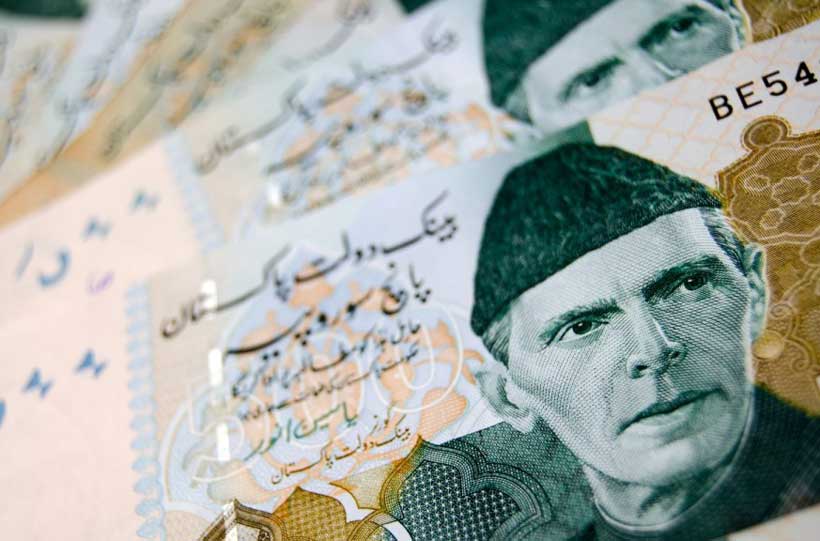
The narrative surrounding Pakistan’s economy has long been marked by its quest for stability and growth amid persistent inflation and fiscal challenges. As the nation grapples with these economic realities, it stands on the cusp of a transformative opportunity: the adoption of blockchain technology and cryptocurrencies within its financial framework. This shift, once a mere notion, is becoming a pivotal element in reshaping Pakistan’s economic landscape.
The formation of the Pakistan Crypto Council (PCC) in 2025 marks a significant milestone. Under the leadership of Finance Minister Muhammad Aurangzeb, and with the guidance of blockchain experts such as Bilal Bin Saqib and Binance co-founder Changpeng Zhao, Pakistan is positioning itself as a proactive player in the global blockchain economy. The urgency of the moment is underscored by the estimate that over 40 million Pakistanis currently hold cryptocurrency, with annual trading volumes exceeding $300 billion. This emerging trend reflects a grassroots movement among citizens, with the government’s role now focused on channeling this activity into a regulated framework.
A notable breakthrough occurred with the Pakistan Virtual Assets Regulatory Authority (PVARA), which recently convened its inaugural meeting and lifted the State Bank’s 2018 ban on cryptocurrencies. This crucial policy shift removes a significant barrier for investment and innovation, signaling a commitment to creating a controlled digital asset environment.
The assertion that “if the 20th century belonged to oil, the 21st century belongs to data and digital value” resonates especially in Pakistan, where remittances form a critical part of the economy. Blockchain technology holds the promise of streamlining financial transactions, potentially reducing the excessive transaction fees—currently between 6% and 8%—that migrant workers face when sending money home. Such advancements could infuse billions of dollars into the economy, directly benefiting Pakistani families.
Moreover, the exploration of blockchain goes beyond cost reduction; it presents an opportunity for Pakistan to break free from recurrent International Monetary Fund (IMF) bailouts and dependence on foreign reserves. By regulating digital assets, the country can attract foreign investment, stimulate innovation in areas like DeFi, and create job opportunities—essential for engaging the youth demographic that currently confronts high unemployment rates. Bilal Bin Saqib aptly describes blockchain as a “parallel economy waiting to be unlocked.”
However, the rise of cryptocurrencies does not come without concerns. Critics highlight the volatility and speculative nature of digital currencies, which could pose risks for an already fragile economy. The unpredictability of market prices and the potential for scams are legitimate concerns that need to be addressed. Pakistan faces the dual challenge of harnessing the potential of blockchain while safeguarding the economy from its inherent risks.
Skeptics point out that volatility may hinder trust in cryptocurrencies. Some propose that this challenge could be mitigated through the establishment of a central bank digital currency (CBDC), akin to initiatives already underway in countries like China and Nigeria. A state-backed digital rupee could serve to strengthen the financial system, combat black-market activities, expand the tax base, and enhance the public’s confidence in formal financial institutions. Additionally, blockchain’s transparency features could help combat corruption through secure, tamper-proof records.
The potential applications of blockchain extend into governance, offering transformative solutions in areas like land registration and public procurement via smart contracts. These innovations could tackle long-standing issues faced by Pakistan’s governance systems and have the power to modernize infrastructure.
Engagement from Pakistan’s youth—who comprise 64% of the population—has already begun. A growing number of freelancers and IT professionals are participating in blockchain projects, while universities are introducing relevant courses into their curricula. With appropriate regulatory guidance, this demographic could help establish Pakistan as a regional leader in blockchain innovation. “A nation that misses the technological wave of its time risks being left behind for generations,” serves as a crucial reminder for Pakistan as it navigates this landscape.
Despite the potential, significant hurdles remain. The oversight of international bodies like the Financial Action Task Force (FATF) necessitates that measures are put in place to prevent blockchain from being misused for illicit purposes. Past attempts at outright bans have only succeeded in pushing the industry underground; instead, a nuanced regulatory approach that aligns with global standards could foster both protection and innovation.
Looking ahead, Pakistan’s strategy must encompass an investment in digital literacy, partnerships with international crypto leaders, and incentives for local entrepreneurs to create blockchain solutions. Tax structures should be revised to encourage innovation rather than stifle it, while a foundation of trust between the government and the populace must be cultivated through transparency.
As articulated, “The rupee may define our past, but blockchain can define our future.” In a landscape frequently brimming with economic challenges, embracing this digital evolution is not merely advantageous—it is imperative. With careful navigation of the associated risks, blockchain stands to transform Pakistan’s economy into a formidable digital powerhouse.