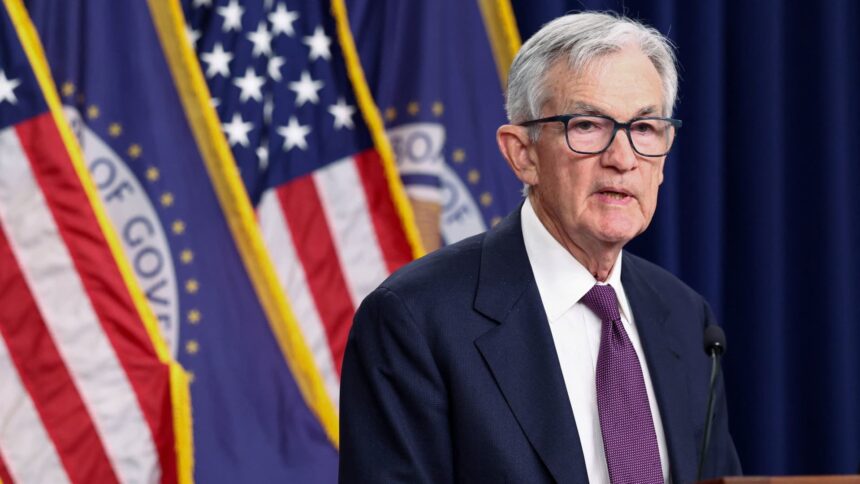
During a press conference following a recent two-day meeting of the Federal Open Market Committee (FOMC), Federal Reserve Chair Jerome Powell reaffirmed his commitment to remain at the helm of the central bank, should his nominated successor, Kevin Warsh, not receive Senate confirmation by the time Powell’s term concludes in May. Powell emphasized that he would serve in a “chair pro tem” capacity until Warsh’s appointment is finalized.
Powell also clarified his intentions regarding his position on the Board of Governors, which is set to extend until early 2028. He stated he would not vacate this Board role until an investigation by the Department of Justice concludes with clear transparency and finality. While reflecting on his decision-making process, Powell indicated that he would consider what is best for the institution and for the people it serves before making any moves.
The Federal Reserve Act stipulates that in the absence of the chair and vice chair, the Board must elect a member to act as chair pro tempore. Powell aims to prevent any perception that he is stepping down due to political pressure, particularly in the wake of the ongoing investigation into his conduct.
Recent judicial developments have impacted the investigation, as a federal judge recently blocked grand jury subpoenas linked to Powell’s case. This ruling was seen as a significant victory for him amid allegations that the inquiry has been politically motivated and aimed at pressuring him to lower interest rates or resign. U.S. District Judge James Boasberg concluded that the Justice Department lacked sufficient justification for the subpoenas, while noting the absence of evidence indicating that Powell had committed any crimes.
In related political discussions, Senator Thom Tillis of North Carolina expressed his intention to withhold support for Warsh’s confirmation until the federal investigation is fully resolved. This adds another layer of complexity to Powell’s situation, as he navigates both his role at the Fed and the scrutiny arising from the investigation and its political implications.
The investigation’s developments have drawn ire from various quarters; U.S. Attorney for the District of Columbia Jeanine Pirro criticized the judicial ruling and announced plans to appeal, insisting that Powell now enjoys “immunity” that she argues lacks legal foundation.
On the monetary policy front, during the same press conference, the Federal Reserve decided to maintain the current interest rates, citing concerns over unexpectedly high inflation and the uncertainty surrounding the ongoing conflict in the Middle East. The situation is further complicated by ongoing pressure from former President Trump, who has recently voiced opinions that the Fed should lower interest rates to bolster the economic climate amidst rising oil prices.
As this scenario unfolds, Powell’s responses and the broader implications for the Federal Reserve continue to draw significant attention from both political and economic observers.