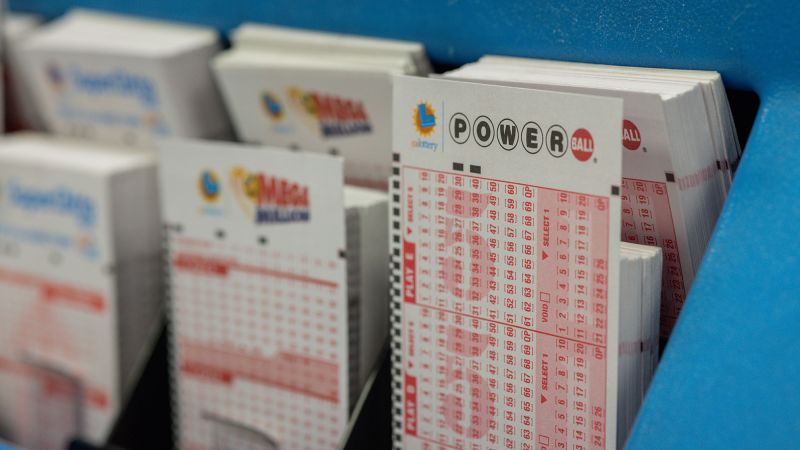
The anticipation surrounding the Powerball jackpot has intensified, captivating millions of hopeful players eager to strike it rich. As Powerball tickets fly off the shelves for the staggering billion-dollar prize, the Mega Millions lottery finds itself in a starkly contrasting position, facing decreased interest leading up to its next drawing offering a modest $70 million.
Ticket prices underscore a significant factor in this dynamic. In April, Mega Millions increased its ticket price from $2 to $5, a decision that appears to have alienated some players. This hike, more than doubling the cost of entry, coincided with a shift in consumer behavior as many Americans remain cautious with their spending amid ongoing inflation challenges.
Prior to the price increase, Mega Millions ticket sales had shown promise, even matching Powerball sales in the first quarter of 2024. However, since the fare adjustment, Powerball has surged ahead, selling over 2 billion tickets and generating $4.1 billion in revenue, while Mega Millions sold 495 million tickets, totaling $2.5 billion.
The stark differentiation in ticket sales can be attributed to several economic factors, according to experts. Victor Matheson, an economics professor specializing in gambling dynamics, noted that players are increasingly sensitive to value, particularly in an era where consumers are grappling with rising costs in nearly every sector. This trend has led to pronounced sales increases for Powerball, as players seem reticent to pay the higher ticket prices for Mega Millions.
Interestingly, the fluctuating sales trends don’t solely stem from price; they also reflect lottery players’ behavioral patterns, where larger jackpots tend to attract more participants. Despite Mega Millions typically having more favorable odds for high payouts, fortune has seemingly favored Powerball recently, which has enjoyed an impressive run of substantial jackpots. Just this weekend marks the second occasion this year that Powerball has reached a billion-dollar prize, following a previous record of $1.8 billion in September.
By contrast, Mega Millions has struggled to produce the same level of excitement. Even during its own high-stakes draw of $980 million last November, Mega Millions managed to sell slightly fewer tickets than Powerball, despite its larger prize. This trend persists even as Mega Millions’ financial infrastructure benefits from the higher ticket price; the increase was anticipated to facilitate more rapid jackpot growth, thus leading to greater sales volume.
While the Mega Millions consortium projected that larger jackpots would compel more enthusiastic ticket purchases, data indicates the opposite. Matheson highlights that while Mega Millions might be bringing in more revenue per ticket, its slower sales pace, combined with Powerball’s lucky streak, has led to a distinct disparity in popularity.
As players weigh their chances with each ticket purchase, the upcoming Mega Millions drawing on Tuesday offers a notable contrast to Powerball’s staggering figures, raising questions about consumer preferences in a complicated economic landscape. Whether or not someone claims the Powerball jackpot this weekend, the current lottery landscape presents a compelling case study on pricing, consumer behavior, and the impact of jackpots on sales.