In a move aimed at expanding their footprint in Detroit’s real estate market, the Jacobson brothers collaborated with real estate professional Shawn Reed, who played a pivotal role in identifying and renovating properties for tokenization. However, Reed’s past raised eyebrows; he was previously imprisoned for conspiracy to commit bank fraud and had been labeled a “slumlord.” Despite this background, he facilitated deals that allowed RealT to maintain momentum amid skyrocketing demand for its real estate tokens.
One investor, known by the pseudonym TokNist on Telegram, shared his experience with RealT. A French national residing in Asia, TokNist was eager to invest in real estate but faced barriers in securing a loan. RealT offered an opportunity to invest modest amounts without the necessity of traditional banking institutions. “A lot of people are like me,” he explained. “They are not wealthy speculators. They are simple people who want a piece of real estate, and they want fixed income.”
In 2022, TokNist began purchasing RealT tokens, often facing challenges in the process. Each time a new property was listed, prospective buyers like him would closely monitor the countdown clock on the website, only to encounter frequent technical issues. “The website frequently failed, and tokens would vanish from their cart,” he recalled. “The houses were sold instantly… after a few minutes, every token was gone.” This urgency underscored the heightened demand for RealT’s offerings.
Behind the construction of this burgeoning portfolio, the Jacobsons faced significant operational hurdles. In 2023, a bank initiated foreclosure on a commercial property the brothers owned in Miami, resulting in a $10.4 million debt after defaults. Additionally, the City of Miami had categorized the property as unsafe. The Jacobsons defended this incident as a strategic decision amid the COVID-19 pandemic, referring to it as an isolated event in their Florida history.
Further compounding their troubles, the City of Chicago imposed multiple fines against RealT LLCs for various violations, including issues with property blight and adherence to building codes. These incidents served as an early sign of the challenges brewing in their Detroit operations.
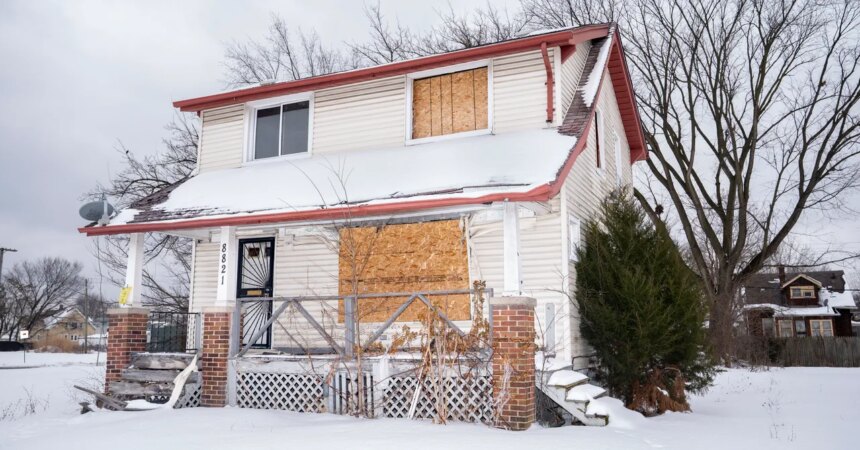
By the summer of 2024, Aaron Mondry, a reporter with the nonprofit local news organization Outlier Media, was exploring leads for his series “The Speculators of Detroit.” His research unveiled an intriguing trend within Wayne County’s deed registration; numerous properties were registered under LLC names similar to “RealToken.” Through these subsidiaries, RealT had acquired and tokenized hundreds of properties across Detroit, establishing itself as one of the city’s major landlords.
Notably, many of these properties are single-family homes clustered in low-income, predominantly Black neighborhoods throughout Detroit, raising questions about the broader implications of their rapid acquisition strategy. As RealT navigates its expansion, the situation continues to unfold, leaving investors and stakeholders closely watching the future trajectory of the company and the communities it impacts.