The restaurant industry faced a challenging year as many chains looked to close underperforming locations in hopes of revitalizing their businesses. Economic pressures, particularly inflation, have led consumers to curb their dining out expenses, opting instead for home-cooked meals or seeking deals while dining out. This shift in consumer behavior has significantly impacted restaurant sales, with a notable decline in customer traffic reported by Black Box Intelligence, showing continuous monthly decreases throughout 2025, with the exception of July.
While previous years saw closures predominantly among casual dining establishments losing ground to fast-casual restaurants, 2025 marked a broader trend with chains across the spectrum announcing significant reductions in locations. Some restaurants even resorted to filing for bankruptcy protection, including recognizable names like Hooters, Pinstripes, and On the Border.
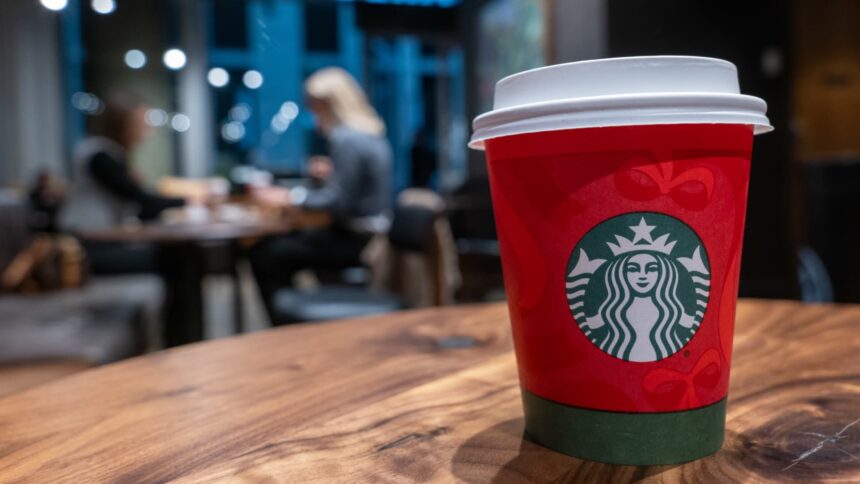
A closer look at specific chains reveals the widespread nature of the struggles. In September, Starbucks unveiled a $1 billion restructuring initiative that would result in the closure of approximately 500 North American locations, including its upscale Reserve Roastery in Seattle, the company’s original locale. This move came during CEO Brian Niccol’s first year in office as he aims to address ongoing sales challenges in the U.S., the company’s largest market. Further details regarding Starbucks’ turnaround plan are expected to be shared at an upcoming investor day in late January.
Wendy’s initiated a strategic review in November, announcing it would close underperforming locations amidst a decline in same-store sales. Though no specific number was announced, interim CEO Ken Cook indicated that a “mid-single digit percentage” of U.S. locations could be closed, equating to potentially hundreds of restaurants. This follows a previous cut of about 140 locations in 2024 as part of the “Project Fresh” turnaround plan.
Denny’s also revealed plans to shut down between 70 and 90 locations in 2025, responding to a drop in sales as consumers shifted towards more affordable fast-food options. In a move indicative of the ongoing struggles, the diner chain was recently sold for $620 million, with the sale expected to finalize in early 2026 contingent upon regulatory approval.
Jack in the Box announced it would close 150 to 200 restaurants as a part of its “Jack on Track” strategy aimed at improving financial performance, with 86 locations already shuttered by the end of its fiscal year in September.
The situation continued to evolve with Bahama Breeze’s parent company, Darden Restaurants, closing 15 of its Caribbean-themed dining establishments, which accounted for about a third of the chain’s footprint. Darden is now contemplating strategic alternatives for the brand, including the potential sale or conversion into other Darden chains like Olive Garden.
In legal disputes, Hardee’s faced challenges with one of its largest franchisees, ARC Burger, which has fallen behind on payments and will result in dozens of closures this year.
Papa John’s closed 173 restaurants internationally in the first three quarters of 2025, with 62 of those in the U.S. market. Despite the reductions, the pizza chain maintained nearly 6,000 locations by September.
Noodles & Co. has also been adjusting its footprint, closing 29 company-owned restaurants with plans for additional closures in the future as part of a broader strategy to enhance financial performance and bolster sales.
Finally, Bloomin’ Brands, the parent company of Outback Steakhouse, announced the closure of 21 locations across its restaurants, including its flagship brand, amidst a significant transformation plan designed to boost sales and overall financial stability.
As the restaurant industry continues to navigate these tumultuous times, it remains to be seen how these closures and strategic shifts will shape the landscape moving forward.