A significant shift is underway in the restaurant industry as establishments embrace the trend of smaller portion sizes on menus. The emergence of special menus featuring petite, more affordable dishes is gaining traction across the spectrum, from large chains such as Olive Garden and The Cheesecake Factory to trendy urban eateries and farm-to-fork dining venues. Restaurateurs aim to cater to a diverse clientele, responding to desires for lower spending, healthier options, and dietary needs.
Maeve Webster, president of culinary consulting firm Menu Matters, notes that younger consumers increasingly prefer snacking and smaller meals, reflecting a broader change in attitudes toward food and value. “These trends are driven by changes in how people perceive their relationship with food and what constitutes a good value,” she explains.
In Connersville, Indiana, Beth Tipton, co-owner of Daniel Girls Farmhouse Restaurant, launched an eight-item Mini Meals menu in response to customer requests for smaller portions. Items such as a half piece of meatloaf served with green beans, mashed potatoes, and gravy are priced at $8 and now account for about 20% of the restaurant’s orders. Tipton, recognizing the financial constraints faced by many, including older adults who represent half of her clientele, aimed to provide a more affordable alternative without labeling it as a children’s menu. “With rising costs, we wanted to help in any way we can,” she said.
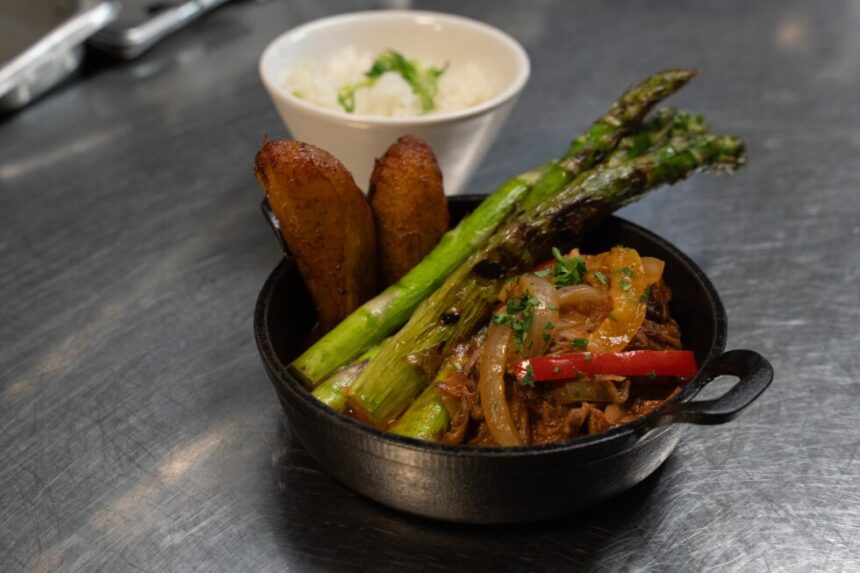
Similarly, some establishments are introducing menus specifically designed for those who use GLP-1 medication, which assists with weight loss and diabetes management. After learning from friends about the challenges GLP-1 users face when dining out, Barry Gutin, co-owner of Cuba Libre Restaurant and Rum Bar, collaborated with a weight-loss doctor and culinary director, Angel Roque, to create the GLP-Wonderful menu. This new offering, featuring items like a lighter version of pollo asado with fewer calories yet rich in protein and fiber, has resonated with customers. Gutin reports that it has boosted business, with several groups weekly requesting the GLP-1 menu.
Notably, larger chains are also adapting to this trend. Olive Garden launched its seven-item “Lighter Portions” menu in January, which not only benefits GLP-1 users but also appeals to those seeking healthier dining options. Rick Cardenas, president and CEO of Olive Garden’s parent company, Darden Restaurants, emphasizes the importance of catering to a consumer base that views abundance differently. Meanwhile, Asian fusion chain P.F. Chang’s has introduced medium-sized portions, and The Cheesecake Factory has rolled out smaller, budget-friendly Bites and Bowls.
While smaller portions are not a novel concept—having emerged in small-plate tapas restaurants decades ago—experts believe the current trend indicates a lasting change in restaurant culture. Webster highlights that consumers are more conscious about food waste than in the past, and smaller servings can help address this concern. “It’s a core need that has been lingering because restaurant meals have become increasingly large,” she asserts.
This shift is further evidenced by local establishments like Barkeaters Restaurant in Shelburne, Vermont, where co-owner Julie Finestone recently introduced a Teeny Tuesday menu featuring lower-priced items to attract weekday diners. Despite initial worries about costs, she found that the initiative unexpectedly boosted business and has prospects for longevity. “Some people have smaller appetites, while others prefer not to overindulge midweek,” Finestone notes, signaling that such smaller offerings clearly resonate with a wide range of consumers.
As dining preferences evolve, restaurants are increasingly adjusting their menus to meet the diverse needs of their patrons, suggesting that the trend toward smaller portions is here to stay.