Retail traders are adopting a cautious approach in the current market environment, moving away from their typical strategies as noted by JPMorgan. In a notable shift, they are now “skipping the dips” and “selling into rallies,” contrasting sharply with the more aggressive buying that was characteristic of their trading behavior last year.
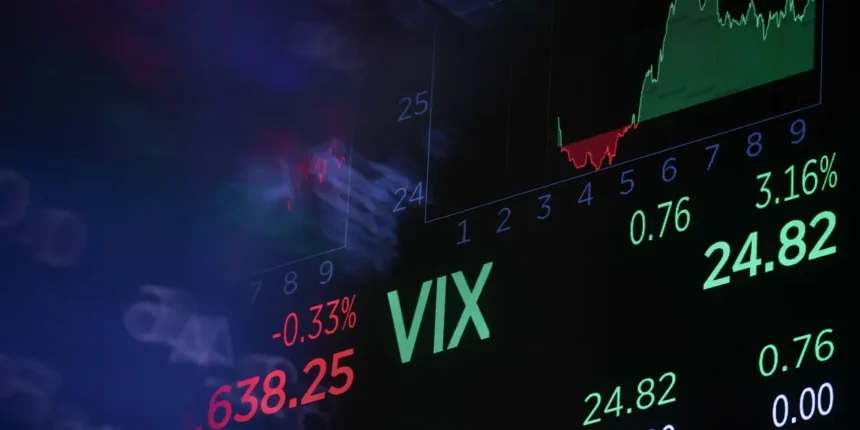
This new trend emerged following a recent ceasefire agreement between the US and Iran, just ahead of a deadline set by former President Trump. Despite the market responding with what has become known as a classic TACO trade, retail investors remained skeptical, choosing to sell rather than buy into the momentum. JPMorgan highlighted that even though the oil market saw its largest decline since 2020 and the VIX dropped below 20, there were no indications of strengthened retail flows.
Data from eToro illustrates the shift in retail trading behavior. Historically, retail traders would seize the opportunity to buy during dips; however, current trends show them more inclined to approach the market defensively. Bret Kenwell, a US investment analyst at eToro, remarked that traders have been conditioned to “buy the dip,” yet they seem to be charting a new course altogether. In stark contrast to earlier trading days following significant market dips, this time they chose to sell during the ceasefire rally.
The JPMorgan report emphasized that retail investors sold off broad market ETFs like SPY and TQQQ, marking a significant departure from their usual trading patterns. Retail participation has noticeably dropped, with purchases of broad-market ETFs hitting their lowest levels in a year. There has also been a reduction in oil exposure through the SCO ETF and selling of sector ETFs such as SOXL.
As US stocks surged, with all three major indexes rising more than 2%, oil prices witnessed a decline. However, this optimism was dampened by emerging concerns about the stability of the ceasefire. By the following day, market sentiment had shifted, with the S&P 500 and the Dow Jones Industrial Average opening lower, and oil prices approaching $100 per barrel again.
Iran’s parliament speaker, Mohammad Bagher Ghalibaf, expressed that several points of the deal have been violated, pointing particularly to Israel’s ongoing military operations in Lebanon. In response to these developments, US Vice President JD Vance commented on the complexities of maintaining such ceasefires, acknowledging the inherent challenges and fragility of the situation.
Overall, the cautious stance of retail traders could indicate a broader trend of skepticism in the market, reflected in their selling behaviors and defensive positioning. As the situation evolves, it remains to be seen how this new approach will impact their trading strategies in the months to come.