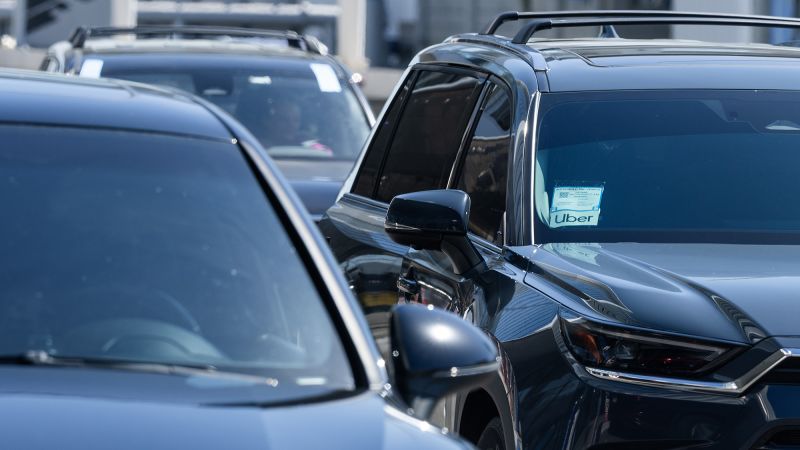
Amid rising gas prices, many drivers for rideshare and delivery services are grappling with the financial strain on their livelihoods. Tamira Moncur, a part-time Lyft driver and teacher from the Atlanta area, expressed concern about the sustainability of her side job as fuel prices soar, stating, “If gas is $4 a gallon, I’m done.” Moncur is not alone; millions of Uber, Lyft, DoorDash, and Instacart drivers are facing similar dilemmas as they are compelled to choose between higher operational costs and their ability to earn a living.
The national average price for a gallon of regular gasoline recently exceeded $4, marking the first time it has reached this level since 2022. In the past month, gas prices have increased more than a dollar, leading Americans to spend over $8 billion extra at the pump, according to recent data from Gas Buddy. The spike in prices is attributed to geopolitical tensions, particularly the ongoing US-Israeli war with Iran, which has disrupted about 20% of the world’s oil supply from the crucial Strait of Hormuz.
In response to the rising costs, rideshare and delivery platforms are implementing measures to alleviate financial pressure on their drivers. Uber has introduced a program allowing drivers to earn $1 off per gallon through the cash back platform Upside, in addition to a 5% cash back incentive when using the Uber Pro card for fuel purchases. Lyft is offering up to 2% cash back through its Lyft Direct debit card, while DoorDash has introduced a 10% cash back program on its Crimson card and plans to pay $5 per week to drivers who exceed 125 miles.
However, awareness of these offerings is low among drivers. Many have expressed frustration about the lack of communication from the companies regarding these initiatives. Abdallah Lukman, a driver in New York City, remarked, “I’ve not heard anything from anybody” regarding the cash back programs. In conversations with CNN, most drivers indicated that they had not received adequate information about the available support.
This assistance differs from direct financial aid previously provided during a similar crisis in 2022, following the Russian invasion of Ukraine when Uber and Lyft instituted a 50-cent fuel surcharge per ride funded by customers. When questioned about the shift to cash back incentives rather than direct surcharges, neither Uber nor Lyft provided a response.
In Las Vegas, Leanne Hall shared her experience of pausing her driving for Uber when the financial returns no longer made sense. She believes drivers should receive an additional payment of $1 per mile driven in light of soaring fuel costs. This sentiment was echoed by other drivers, including Omar Lewis from Charlotte, North Carolina, who stressed the need for higher compensation during periods of increasing fuel prices.
The financial impact of rising gas prices has also been felt by other drivers. Azam Bakhriddinov in New York City reported a $30 increase in his fuel expenses, yet he expressed uncertainty about who should provide relief, suggesting that government intervention may be necessary.
As drivers navigate these challenging economic conditions, the conversation surrounding fair compensation and support continues, highlighting the broader implications of rising fuel costs on gig economy workers.