








Ripple has made a significant move in its financial strategy by initiating a buyback of $750 million of its equity shares. This decision has effectively boosted the company’s valuation from $40 billion in November to an impressive $50 billion, reflecting a 25% growth. As a result, the value of Ripple’s shares has risen from approximately $125 to around $143.43 on pre-IPO platforms such as Hiive.
The stock buyback is poised to deliver several advantages, including an increase in shareholder Earnings Per Share (EPS) and an overall enhancement in investor confidence towards Ripple. This surge in confidence is especially pertinent as Ripple continues its mission to harmonize blockchain technology with global remittances. Recently, the firm secured an Australian license, which paves the way for expanded operations across the Asia-Pacific region. In addition to this, Ripple has entered into a partnership with Mastercard for the Mastercard Crypto Partner Program, aimed at integrating blockchain payment systems with traditional finance frameworks.
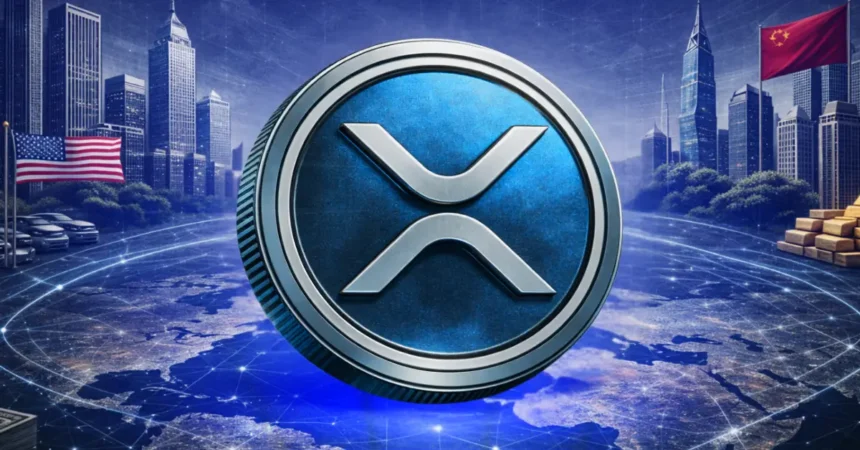
Following this development, Ripple now stands as the sixth most valuable private company globally. However, the sentiment among the XRP community appears to be less than optimistic. The native token of the XRP Ledger, XRP, has witnessed modest price movement after the announcement, trading at $1.38—a slight increase of 0.30% within the last 24 hours. This current price also represents a drastic decline of over 59% from its celebratory post-SEC price of $3.40 recorded in August 2025.
Interestingly, the buyback announcement made by Ripple in January 2024 resulted in a notable 12% surge in XRP’s price. In contrast, the community’s reaction on social media platforms has been largely critical. Many users have voiced their frustration, suggesting that the buyback primarily benefits shareholders rather than XRP holders. Some even allege that funds collected from XRP token sales are being misappropriated for this tender offer.
In light of this sentiment, discussions surrounding Ripple’s dedication to XRP holders have emerged, with some commentators stating that all revenue generated seems to favor Ripple Labs shareholders instead. Despite this discontent, several analysts remain optimistic about the future valuation of XRP. Forecasts suggest that Ripple’s increased valuation could potentially elevate XRP’s price into the range of $2.80 to $5.00 by the end of the year. They also point to potential inflows into XRP ETFs as a contributing factor to this bullish outlook, noting that Goldman Sachs currently stands as the largest holder of XRP ETF shares at $154 million.
In summary, Ripple’s strategic buyback initiative is generating notable changes in its corporate valuation and share price, while simultaneously affecting the perception and performance of XRP. The mixed sentiments from the community indicate a disconnect between shareholder gains and the interests of XRP holders, setting the stage for ongoing discussions within the cryptocurrency space.