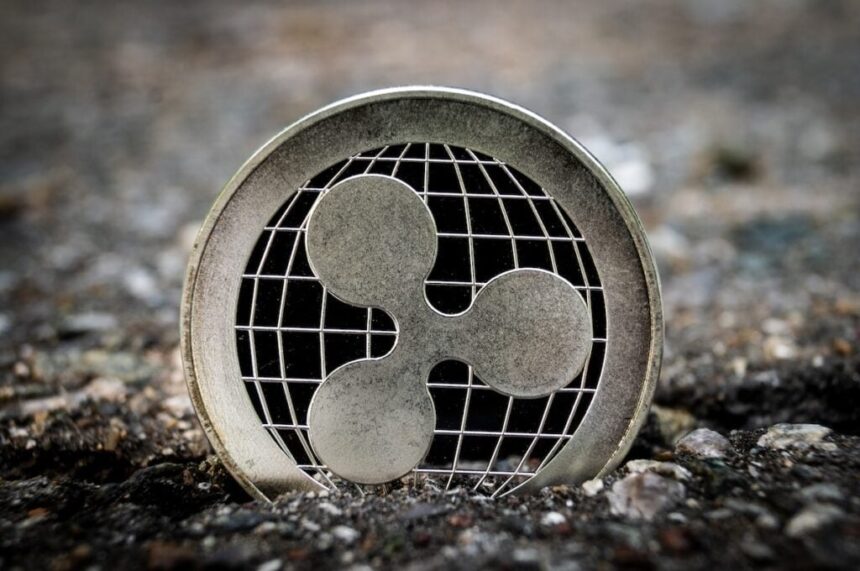
Ripple has achieved a significant milestone, securing full Electronic Money Institution (EMI) approval from Luxembourg’s financial regulator, the Commission de Surveillance du Secteur Financier, marking a pivotal moment for the company as it expands its global licensing footprint. This approval elevates Ripple’s total number of global licenses to over 75, solidifying its position as one of the most heavily licensed companies in the cryptocurrency sector.
Originally granted preliminary approval on January 14, the full EMI authorization will enable Ripple to scale its payments and digital asset services throughout the European Union. This regulatory success builds on an earlier achievement from last month when Ripple received both an EMI license and a crypto asset registration from the UK’s Financial Conduct Authority. The UK’s approval aligns with the government’s broader agenda to develop comprehensive crypto regulations by 2027.
Despite this regulatory success, Ripple’s native digital asset, XRP, faced a sharp downturn, plummeting to $1.64. The token’s descent occurred even as it experienced a brief bounce of 4% on Monday. Currently, XRP is navigating a challenging downtrend, having breached several crucial support levels. It now tests a critical psychological support level at $1.60, which has held firm in the past. Analysts suggest that a failure to maintain this support could lead to further declines, with the technical landscape appearing notably bearish unless XRP can reclaim the $1.76 mark decisively.
The recent developments in regulatory approval contrast sharply with XRP’s price action, highlighting a significant challenge: Ripple’s expanding suite of licensed services does not inherently drive demand for XRP itself. Notably, many of Ripple’s offerings—including cross-border payment solutions and treasury management—can function independently of XRP as the settlement asset.
In addition to its licensing achievements, Ripple recently launched Ripple Treasury, a platform resulting from its $1 billion acquisition of GTreasury in October 2025. This new service integrates cash and digital asset management, using Ripple’s RLUSD stablecoin for cross-border transactions. Furthermore, Ripple has forged a multi-year partnership with LMAX Group, committing $150 million to integrate RLUSD as collateral across LMAX’s institutional trading platforms.
With the backing of over 75 licenses, Ripple is enhancing its institutional credibility and establishing foundational infrastructure for regulated cryptocurrency adoption. However, the disconnect between Ripple’s regulatory advancements and XRP’s price performance raises questions about the asset’s future utility amidst the company’s broader business expansion.