Ripple Labs, founded in 2012, aims to revolutionize international money transfers by making them faster and more efficient. Utilizing its XRP Ledger (XRPL), Ripple focuses on facilitating cross-border payments and asset transfers as a more cost-effective alternative to traditional systems like SWIFT.
The XRP token is instrumental within the Ripple network for transferring assets and is actively traded on various cryptocurrency exchanges. The company was co-founded by Jed McCaleb and Chris Larsen, with Larsen currently serving as executive chairman and Brad Garlinghouse as CEO.
Notably, XRP deviates from many cryptocurrencies by not relying on mining or staking; all 100 billion tokens were created at its inception. Ripple originally retained a substantial amount in escrow accounts, gradually releasing up to one billion XRP per month to maintain liquidity. Any unused tokens are returned to escrow, a method that promotes both price stability and liquidity predictability.
In terms of XRP ownership, Ripple Labs currently retains around 42% of the total supply, held in escrow for use in operational and liquidity functions. Chris Larsen holds approximately 2.5 billion XRP, constituting around 4.6% of global market capitalization. Additionally, major exchanges like Binance hold over 2 billion XRP, which represents customer assets rather than company funds. Collectively, the top 100 wallets control about 68% of circulating XRP, suggesting a significant concentration of ownership among a limited number of holders.
While blockchain technology provides transparency that allows for the identification of large XRP wallets, the pseudonymous nature of these addresses obscures the real-world identities of their owners. While known addresses, such as those of Ripple and its founders, can be tracked, many significant wallets remain anonymous, believed to belong to institutional investors, exchanges, or high-net-worth individuals.
In recent months, whale activity—referring to large-scale purchases by significant investors—has surged due to recent regulatory changes and overall market fluctuations. This trend indicates a shift from primarily retail ownership towards a growing influence of institutional investors, reinforcing Ripple’s emerging role within a more regulated financial environment.
The evolution of Ripple has been marked by various significant developments. An August 2025 court settlement finally provided the regulatory clarity that many in the crypto sector had been awaiting, fostering an environment conducive to institutional adoption. Furthermore, in November 2025, Ripple raised $500 million in a funding round led by major financial institutions, boosting its valuation to approximately $40 billion. This increased investor confidence underscores Ripple’s potential in mainstream finance.
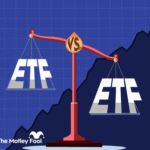
Moreover, Ripple has forged new partnerships with key players like Mastercard and seen the approval of spot XRP exchange-traded funds (ETFs), signifying a meaningful step towards deeper institutional integration.
In summary, Ripple Labs maintains a dominant position in the XRP ecosystem, overseeing the escrow that governs much of the token supply. Although ownership remains heavily concentrated, the increasing participation of institutional investors since 2024 is noteworthy. Recent funding, regulatory clarity, and ETF approvals are contributing positively to XRP’s standing within the broader digital asset landscape.