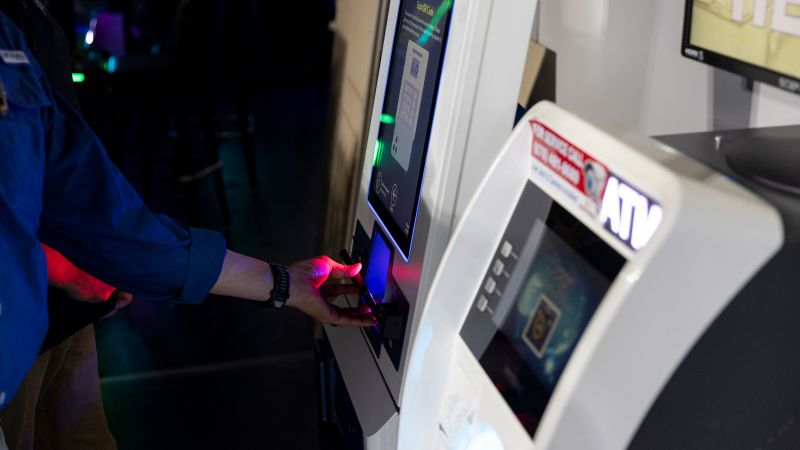
A recent investigation by CNN has uncovered alarming trends related to cryptocurrency ATMs, which allow users to exchange cash for digital currencies like Bitcoin. The investigation reveals a pattern of fraud associated with these machines, suggesting that scams associated with crypto ATMs are widespread across the United States.
According to the report, at least a dozen potential fraud cases have been linked to a single crypto ATM, raising concerns about the safety and integrity of such devices. Victims often hesitate to report these scams due to feelings of shame or intimidation, particularly when approached with urgent demands for payment via phone calls. Such scams have evolved, leveraging the anonymity and immediacy offered by crypto ATMs to facilitate quick transactions without regulatory oversight.
The companies operating these ATMs have contested claims that they profit from fraudulent activities and have outlined various consumer protection measures. However, the investigation highlights how scammers exploit the average person’s lack of knowledge about crypto ATMs. Victims, often under the pressure of fabricated legal claims, are directed to these machines with misleading promises, such as paying off fictitious debts.
The FBI reported that Americans lost roughly $240 million to crypto ATM scams in the first half of the year, indicating the high stakes of this issue. The investigation did not solely focus on the victims, emphasizing the sophisticated nature of these scams. Counter to prevailing assumptions, individuals from all backgrounds—including professionals with advanced degrees—have fallen prey to such schemes.
Crucially, the investigation reveals that some scams may be organized efforts linked to transnational fraud rings. While many individual cases remain unsolved, evidence exists pointing to larger networks operating from regions like Myanmar, where workers are reportedly coerced into executing financial scams targeting American citizens.
The investigative team meticulously documented over 700 fraud incidents, highlighting how data collection from law enforcement agencies gave rise to patterns indicating specific ATMs as hotspots for fraudulent activity. Despite the apparent risks, the process of verifying whether a local crypto ATM has been involved in scams is labor-intensive and may not be practical for the average consumer.
While some crypto ATM companies cite studies suggesting that only a small percentage of transactions are illicit, investigations by law enforcement have contested these numbers, revealing that fraud may represent a much larger portion of their business. The ease with which cash can be transferred and the difficulty of tracking down those funds post-transaction add significant hurdles for victims seeking recovery.
The growing prevalence of these scams has prompted discussions among lawmakers regarding the regulation of crypto ATMs. Several states have enacted laws aimed at curtailing fraud, including transaction limits on machines. However, crypto ATM companies have been active in lobbying against stricter regulations, even proposing legislation that mirrors favorable terms for their operations.
As regulatory discussions continue, the investigation underscores the ongoing challenges posed by crypto scams and the need for greater consumer awareness and protective measures. The landscape is evolving rapidly, and until substantial reforms are implemented, individuals remain vulnerable to a new breed of financial crime facilitated by crypto ATMs.