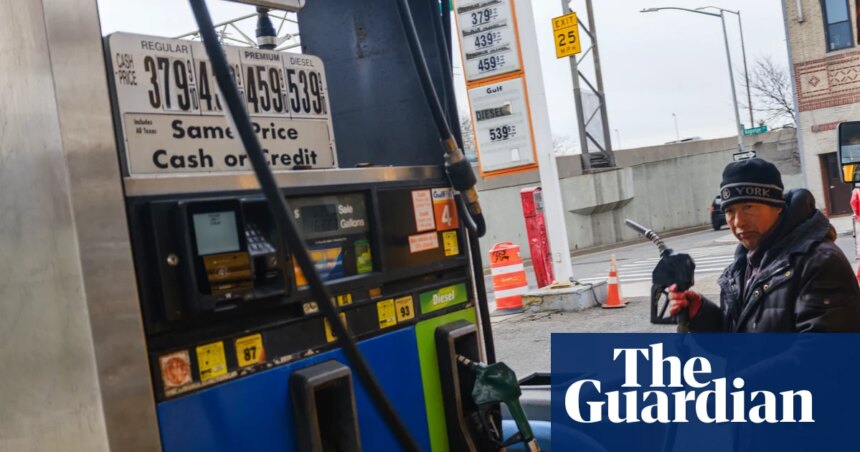
The ongoing US-Israel military actions against Iran have had a profound impact on global markets, prompting widespread concerns among American citizens about escalating living costs. The situation escalated following strikes against Iran, leading to retaliatory actions against US allies in the region and Iran’s subsequent closure of the Strait of Hormuz, a vital maritime route. These developments have resulted in a significant surge in costs across the United States, with gas prices soaring nearly 30% over the past month. The rise in expenses has not been limited to fuel; grocery bills, mortgage rates, and fertilizer costs have all seen noticeable increases.
As a result, many Americans are finding it necessary to reassess their financial situations and make severe cutbacks on essential items including food, clothing, and even utilities. For instance, an Indianapolis bank employee named Lore shared how these rising costs have forced him to change his daily habits significantly. “I’m driving less… I’m also saving money because my 2012 Mazda is getting old,” he noted, explaining that he plans to hold onto his car as long as possible to save for a future vehicle. He expressed concerns over potential repair costs, emphasizing the burden a significant repair could impose on his finances.
In Massachusetts, the financial strain has compelled a librarian’s husband to take on additional work just to keep their household afloat. They juggle expenses related to rising fuel prices, exorbitant rent, health insurance, and other necessities, leading to long hours of work. “Despite having two full-time incomes, we still are barely covering the roof over our head and the food on our table,” she explained. The pressure is not just financial; it weighs heavily on their mental and physical well-being.
Elizabeth, another librarian from Indiana, highlighted how her budgeting for essentials has drastically changed due to rising energy costs. With gas prices climbing significantly, she admits to postponing necessary home repairs and coping with painfully high utility bills. The apprehension of rising electricity costs during hotter months further complicates her financial landscape.
In New York, an elderly woman working two jobs recounted her frugal lifestyle that has become necessary due to mounting costs. With no savings and significant monthly expenses, including a loan for a recently replaced furnace, her future appears uncertain, and retirement seems like a distant dream.
Small business owners are feeling the pinch as well. A tattoo artist in Pennsylvania recently closed his studio due to declining demand, which he attributes to economic constraints that lead consumers to prioritize essential expenses over luxury services. He voiced frustration over rising costs and the broader implications of continued military engagement.
Healthcare anxieties are also on the rise, as illustrated by a bread factory employee in Michigan who described the precariousness of his daily commute on poorly lit, unsafe country roads. The fear of medical emergencies adds another layer of stress to an already challenging financial landscape, with the potential for increased medical bills and recovery periods looming large.
As these narratives illustrate, the entanglement of international conflict and domestic economic stability poses a myriad of challenges for countless Americans. The growing financial squeeze is reshaping daily life and altering long-term financial planning, with many struggling to cope amid uncertainty.