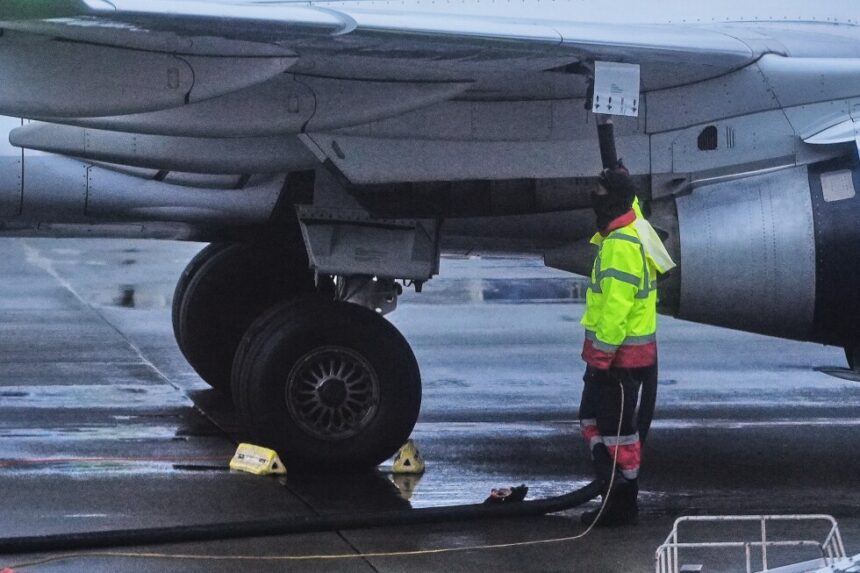
Jet fuel prices are experiencing a steep rise as geopolitical instability in the Middle East disrupts global oil supplies, leading to increased costs for airlines just as the busy summer travel season approaches. Experts predict that the question is not if airfare increases will occur, but rather when, how long they will last, and by how much. Long-haul international flights are expected to be most affected, as these routes consume significantly more fuel compared to shorter ones.
Airlines based outside the U.S. have already begun implementing fare increases or fuel surcharges to counteract the escalating expenses. In the United States, United Airlines CEO Scott Kirby has warned that airfare hikes will likely start soon, as the rising costs of fuel will propagate through the industry.
The surge in jet fuel prices is largely attributed to war-related constraints on oil exports and reductions in production by major suppliers like Kuwait, Saudi Arabia, and Iraq. Escalating attacks from Iran on commercial vessels and oil infrastructure in Gulf Arab nations have further exacerbated the situation. These attacks have effectively halted shipping traffic through the crucial Strait of Hormuz, a vital channel for global oil transportation, accounting for about one-fifth of the world’s oil supply.
The ramifications of volatile crude oil prices have rippled through to retail gasoline prices, which in turn have driven up jet fuel costs. As of recent reports, the average price of jet fuel in the U.S. soared to $3.99 per gallon, a significant increase from $2.50 just before hostilities erupted. This indicates a substantial strain on airlines, which recorded an average fuel price of $2.36 per gallon in January, according to the U.S. Department of Transportation.
Some airlines employ fuel hedging—locking in fuel prices months or years in advance—to shield themselves from sudden price fluctuations. However, not all carriers hedge, and even those that do may only cover part of their fuel requirements. Kirby highlighted the challenges associated with hedging, particularly regarding the crack spread—the difference between crude oil prices and the prices of refined products like gasoline. Additionally, airspace closures in the region have necessitated flight reroutes, leading to longer travel times and increased fuel consumption.
Travelers can expect to feel the pinch in various ways. Some airlines might introduce or increase fuel surcharges, a common practice among carriers outside the U.S. While major U.S. airlines do not typically charge these additional fees, they generally incorporate fuel costs into the overall ticket price. As a result, any hike in fuel expenses will likely be reflected in higher base fares for consumers.
In addition to raising base fares, airlines could adjust the pricing of premium services—such as seat upgrades, extra legroom, baggage fees, and priority boarding—to offset rising operational costs. Consequently, travelers may notice that while the base fare remains unchanged for the moment, the total cost of their trip may still increase due to these additional fees and services. If elevated fuel prices persist, airlines might also reconsider their routes or schedules, thereby affecting traveler options.
Analysts indicate that predicting the exact increase in ticket prices due to soaring oil and fuel costs is challenging, as the impact varies by airline, route, and overall travel demand. Fuel typically accounts for 20% to 25% of an airline’s operating costs, making it the second-largest expense after labor; thus, significant increases in fuel prices can drastically impact an airline’s finances.
Currently, many fare hikes and fuel surcharges are emerging from Asia-Pacific airlines. Notably, Cathay Pacific has announced a forthcoming fuel surcharge due to a dramatic rise in jet fuel prices, which have doubled since March. Other airlines, such as Air France-KLM and Air India, are also increasing fares or introducing fuel surcharges on specific routes.
Travel experts suggest that consumers can mitigate the effects of rising airfares by booking flights earlier, especially in anticipation of summer travel. Securing tickets sooner—ideally with flexible options that allow for changes—can lead to cost savings before airlines make additional adjustments. Staying adaptable with travel dates, exploring fares from nearby airports, and setting alerts for fare drops can also be effective strategies. Utilizing frequent flyer miles or credit card points can provide financial relief, turning what could have been cash expenses into valuable redemptions.