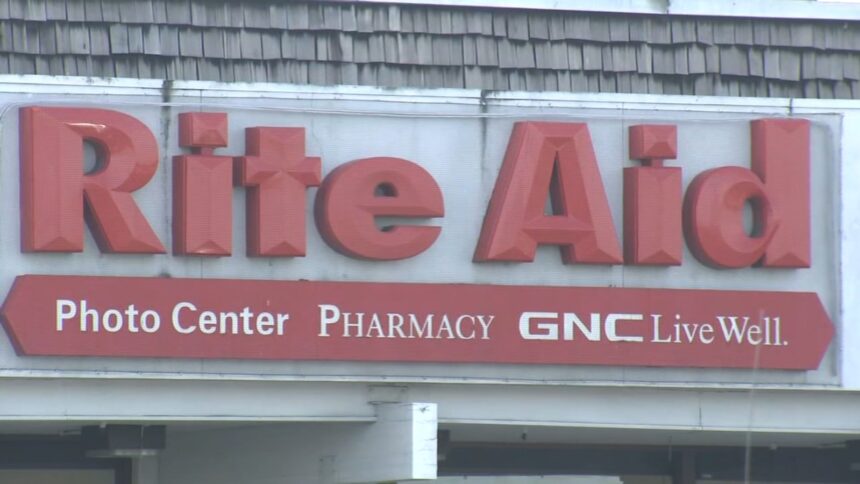
Rite Aid, once a prominent player in the U.S. pharmacy retail sector, has officially closed all of its remaining 89 stores after filing for bankruptcy for the second time in less than two years. The company made the announcement on its website, expressing gratitude to customers for their loyalty over the years.
The chain, which first opened its doors in 1962, became well-known not just for its pharmacy services but also for its popular Thrifty ice cream brand, now a casualty of the company’s bankruptcy proceedings. With the closure of its stores, the Rite Aid website remains active for former customers to request pharmaceutical records or to find alternative pharmacies for their prescriptions.
Rite Aid’s initial bankruptcy filing occurred in October 2023, driven largely by mounting competition from larger retail chains and a staggering debt load exceeding $4 billion. This debt was compounded by costly legal battles concerning allegations of filling illegal opioid prescriptions. Following the first bankruptcy, Rite Aid managed to emerge in September 2024, significantly reducing its debt by $2 billion and securing an additional $2.5 billion to sustain its operations. However, this recovery came at a steep price, as the company closed around 500 locations.
By May of this year, Rite Aid had approximately 1,250 stores left, a stark reduction from its previous count. In a significant move to streamline operations, the pharmacy chain sold most of its U.S. pharmacy services to competitors such as CVS Pharmacy, Walgreens, Albertsons, and Kroger. This transaction allowed former Rite Aid customers to retain access to pharmacy services even after the closure of their local stores, mitigating the challenges that often accompany such events, especially for older adults who might struggle to travel far for medications.
The trend of pharmacy closures is not isolated to Rite Aid. CVS announced plans in November 2021 to shut down 900 stores by 2024, and it had already closed 244 locations between 2018 and 2020. Similarly, former Walgreens CEO Tim Wentworth highlighted that approximately 25% of its stores were not profitable, leading to the announcement in October 2024 of plans to close 1,200 stores.
As the retail pharmacy landscape continues to evolve, these developments underscore the significant challenges faced by smaller chains in a market dominated by larger competitors.