Sal Gilbertie, CEO of Teucrium, has generated buzz within the XRP community by sharing insights into Ripple’s strategic direction and its potential to become a formidable player in the financial sector. He believes Ripple is not merely another cryptocurrency company; instead, it is laying the groundwork to become a significant global financial institution.
According to Gilbertie, Ripple is on a path to rival banking giants like JP Morgan, contingent on acquiring a banking license. He points out that the company benefits from robust capitalization and disciplined leadership, alongside a network of former employees who continuously contribute to Ripple’s ecosystem. He characterized Ripple as operating “like a machine,” noting that even when team members diverge into different projects, the overall vision remains cohesive and robust.
Gilbertie anticipates that obtaining a banking license will catalyze a growth wave for XRP, enhancing its utility in the market beyond mere applications or developer initiatives.
Addressing worries about Ripple’s substantial XRP holdings, Gilbertie asserts that the firm has no pressing need to divest its tokens, especially as it strengthens its financial position. As more institutions embrace XRP as a liquidity and treasury asset, he argues that Ripple’s capital reserves function similarly to those of traditional banks.
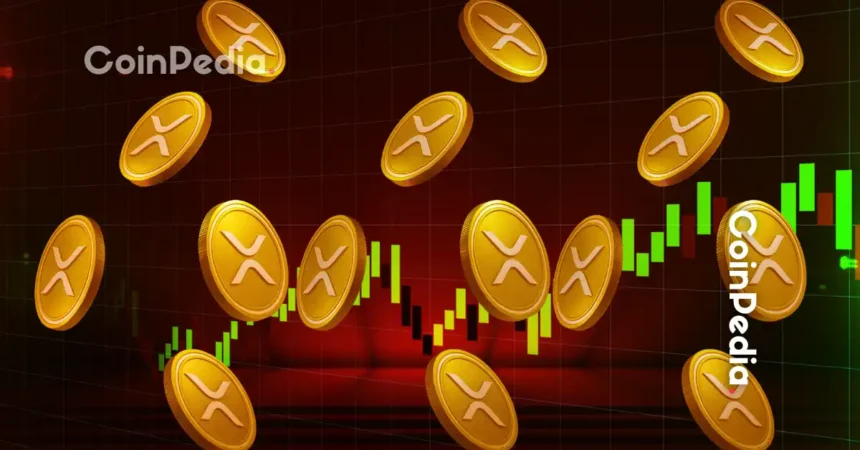
Despite recent price fluctuations that caused XRP to dip below key psychological thresholds, Gilbertie regards the panic surrounding these drops as overstated. He notes that following a year of substantial asset appreciation, pullbacks of 30-50% are typical and should not be misconstrued as a collapse. He likens the current market behavior to an exaggerated early Black Friday sale, emphasizing that the overarching trend is still positive.
Gilbertie also foresees a maturation of the crypto market, propelled by increased institutional involvement, especially through exchange-traded funds (ETFs) and a generally crypto-friendly regulatory environment in the U.S. This influx of capital, coupled with the growing number of long-term holders, is likely to stabilize the markets, with XRP playing a significant role in this evolution.
When queried about the future of XRP-backed financial products, such as municipal bonds, Gilbertie did not dismiss the possibility. He embraced the idea that crypto-backed financial instruments will become increasingly integrated into traditional finance, highlighting tokenized treasuries, blockchain-based bonds, and collateralized digital assets.
However, he emphasized that the real turning point for XRP will not stem from any single “killer app” but rather from regulatory clarity and the long-awaited banking license for Ripple. These factors are expected to define the next stage of adoption for XRP within the financial ecosystem. Gilbertie believes that once Ripple’s banking operations commence, the market could respond dramatically, underscoring the importance of the company’s long-term vision over short-term speculation.