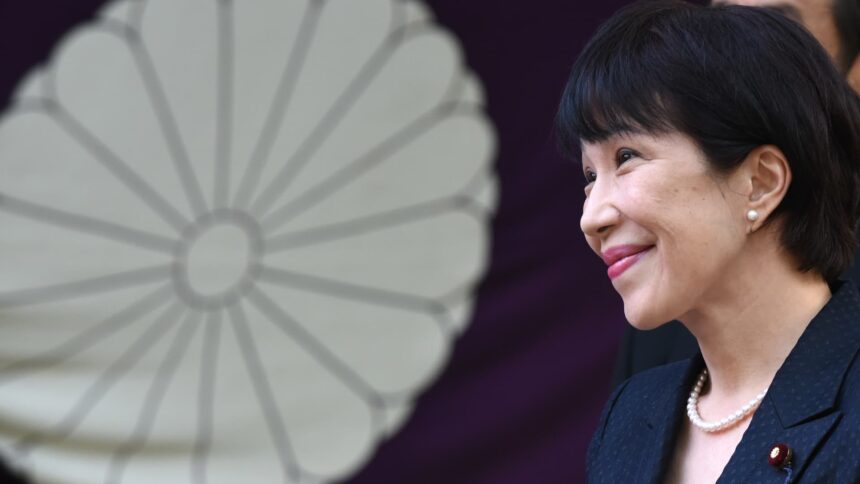
Sanae Takaichi, a seasoned politician and hardline conservative, has recently secured the presidency of Japan’s ruling Liberal Democratic Party (LDP), positioning her to potentially become the country’s first female prime minister. Following the resignation of Prime Minister Shigeru Ishiba, who oversaw the LDP’s loss of majority in both houses of parliament, Takaichi’s ascent comes at a critical juncture for Japan, marked by economic challenges and foreign relations tensions.
In her acceptance remarks, Takaichi emphasized the importance of addressing the public’s anxieties regarding everyday life and future prospects, pledging to transform these concerns into hope through “work, work, work.” Analysts have noted that her leadership will test the sustainability of the conservative, pro-Abenomics policies that have prevailed in recent years.
Takaichi’s upcoming endeavor involves securing the backing of at least one opposition party to establish a functioning majority when the Diet reconvenes on October 15. However, opposition parties face a strategic challenge; aligning with the LDP could enhance their political clout but risks alienating their voter base, which has expressed discontent with the current ruling party’s policies.
Challenges await Takaichi, particularly surrounding the nation’s cost-of-living crisis, the management of international security, and trade relations, especially with U.S. President Donald Trump. She is viewed as a proponent of Abenomics, Shinzo Abe’s economic strategy characterized by loose monetary policy, fiscal stimulus, and structural reforms. Despite her advocacy for these principles, there are concerns among economists regarding the potential for sustained inflation, especially as the Bank of Japan adjusts its monetary policy.
Market analysts anticipate that Takaichi’s government may favor consumer, defense, and export-focused sectors, while areas like finance and real estate could struggle. Despite potential challenges, optimistic projections for the Nikkei 225 index suggest it could reach a near-term peak as investors brace for her administration’s impact.
Takaichi’s diplomatic approach may also provoke reactions from neighboring countries, particularly China, as she has called for a tougher stance on its government and supports amendments to Japan’s pacifist constitution. Her relationship with Taiwan has also garnered attention, with Taiwan’s president expressing a desire to enhance bilateral relations.
Her past visits to the Yasukuni Shrine, which honors Japan’s war dead, continue to attract controversy, especially from China and South Korea, who view the site as emblematic of Japan’s wartime past. As she steps into this influential role, Takaichi is anticipated to navigate these complex diplomatic waters cautiously while staying true to her nationalist leanings. Observers will be closely watching how her foreign policy positions evolve, especially in the crucial early years of her potential administration.