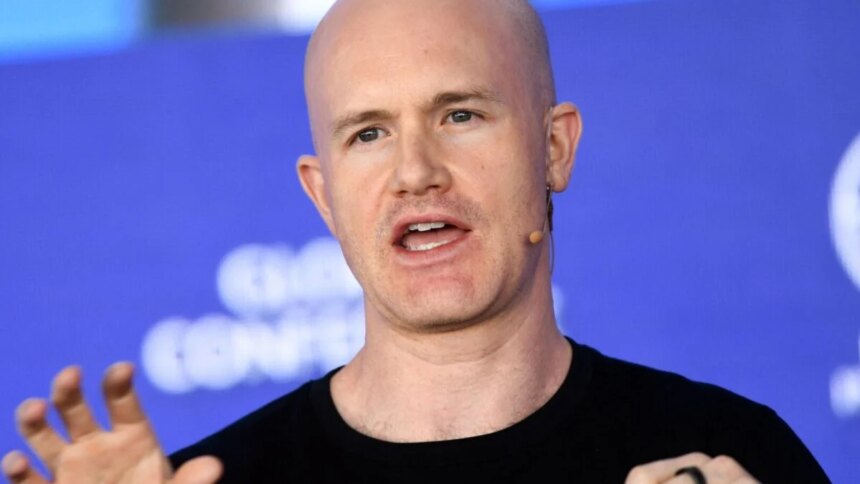
On Wednesday evening, discussions surrounding the Clarity Act—a bill intended to provide regulatory clarity for cryptocurrencies in the United States—were postponed by the Senate Banking Committee. This delay follows criticisms made by Coinbase CEO Brian Armstrong, who has expressed concerns about the bill’s draft. Concurrently, the Senate Agriculture Committee has also deferred their own discussions on a related version of the bill until January 27th. Originally, both committees were scheduled for markups on their respective drafts the following day.
The Clarity Act aims to streamline the regulatory framework for cryptocurrencies. The House passed its version last year, and upon completing the Senate discussions, the combined bill would head directly to President Trump’s office for approval. Armstrong took to social media platform X to voice his apprehensions, noting that the current draft could be significantly detrimental, stating, “We’d rather have no bill than a bad bill. Hopefully we can all get to a better draft.”
Armstrong mentioned his optimism for a revised bill, indicating Coinbase’s willingness to collaborate with legislators. His critique pointed to several issues with the Senate Banking draft, including a proposed ban on tokenized equities and restrictions on decentralized finance (DeFi), which he believes would infringe on user privacy and financial autonomy.
The cryptocurrency sector has long sought clearer regulations, particularly following the Biden administration’s ambiguous positioning on the matter. The former SEC Chairman, Gary Gensler, became a focal point of frustration within the industry due to his assertion that nearly all cryptocurrencies, except Bitcoin, were effectively unregistered securities. However, towards the end of Biden’s term, a significant shift occurred, leading to the approval of exchange-traded funds for Ethereum.
Key aspects of the Clarity Act under scrutiny include the regulation of tokenized stocks, the criteria for distinguishing between crypto assets and securities, and protections for developers who do not hold their users’ assets. As the traditional banking sector calls for regulatory adaptations to remain competitive against the expanding crypto landscape, Congress finds itself navigating the interests of lobbyists from both sides. The cryptocurrency industry has invested heavily—approximately $133 million—into the 2024 election cycle, pushing for favorable regulatory outcomes.
Senator Tim Scott reassured that discussions continue among various stakeholders within the financial and crypto sectors, stating that everyone is committed to finding a mutually agreeable solution. Advocates for the crypto industry are particularly concerned about developer protections that resonate with the foundational principles of decentralization and permissionless finance.
In a related incident, developers associated with the privacy-focused wallet Samourai Wallet received severe prison sentences for creating software that obscured the origins of Bitcoin transactions, while the former CEO of Binance was pardoned for related offenses. This contrast has sparked debate over regulatory fairness, especially as the optics surrounding these decisions could influence public perception of the administration’s commitment to truly supporting the decentralized finance movement.
Despite the concerns regarding protections for non-custodial wallet developers and the absence of a de minimis tax exemption for Bitcoin transactions, the non-profit advocate Coin Center remains hopeful about the progress made by the Senate Banking Committee, indicating that constructive discussions are ongoing as the industry awaits a clearer regulatory framework.