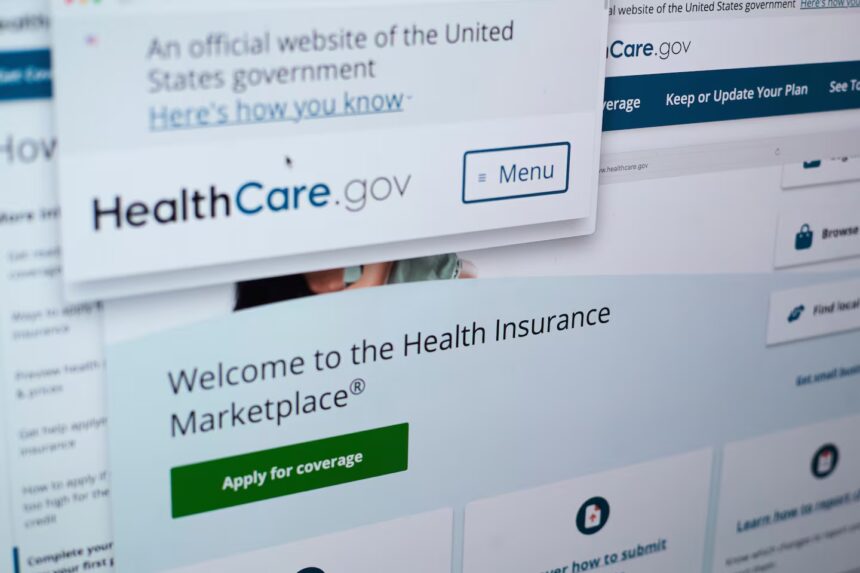
The Senate’s recent decision to reject two proposals aimed at addressing rising healthcare costs has significant implications for many Americans. With an emerging healthcare package from House Republicans lacking provisions for extending critical insurance subsidies, numerous individuals and families are bracing for steep increases in their insurance premiums come 2026.
Chad and Kelley Bruns, a couple of retirees from Sawyer County, Wisconsin, have always prided themselves on living frugally. Chad, a military veteran, was forced to leave his firefighting career early due to injuries sustained on the job. Together, the couple has adopted various cost-cutting measures, such as cutting their own firewood and avoiding dining out unless absolutely necessary. However, they now face the unfortunate reality of rising healthcare costs that threaten their financial stability.
Currently, the Brunses pay just $2 a month for a top-tier gold plan with a deductible under $4,000, largely thanks to financial assistance from the Affordable Care Act (ACA). Yet, projections for 2026 show their premiums skyrocketing to $1,600 monthly, compelling them to downgrade to a bronze plan with a staggering $15,000 deductible. Concerns about their health and the associated financial risks loom heavily over the couple, particularly as Kelley shared worries about potential medical emergencies that could lead to bankruptcy.
In Michigan, Dave Roof and his family of four have relied on ACA insurance since its inception in 2014. The program enabled Roof to pursue his dream of starting a small music production company. However, the impending expiration of subsidies that have kept their premiums manageable has sent their costs soaring—from $500 to at least $700 a month, not including higher deductibles and out-of-pocket expenses. With a joint income of about $75,000, this increase is untenable, leading them to the difficult decision to forgo health insurance altogether in the coming year. With mounting financial pressures, Roof expressed concerns about the associated stress and anxiety for his family, particularly as they have already been living on a tight budget.
In Henderson, Nevada, 37-year-old social worker Katelin Provost, a single mother, is also grappling with looming health insurance costs. Her monthly premium is projected to spike from $85 to nearly $750, creating a significant financial strain. Provost plans to absorb the increased cost for January while keeping a watchful eye on any Congressional actions regarding subsidy extensions. If no relief materializes, she anticipates having to drop her health insurance and only keep coverage for her 4-year-old daughter, forcing her to make tough budgetary decisions that would deepen the squeeze already felt in her household.
As the deadline approaches, the uncertainty surrounding health care costs and legislative actions has created a palpable sense of anxiety among many families. The implications of these changes could reshape how Americans navigate their health care needs in the years to come, leaving numerous individuals caught in a precarious balance between maintaining coverage and ensuring financial stability.