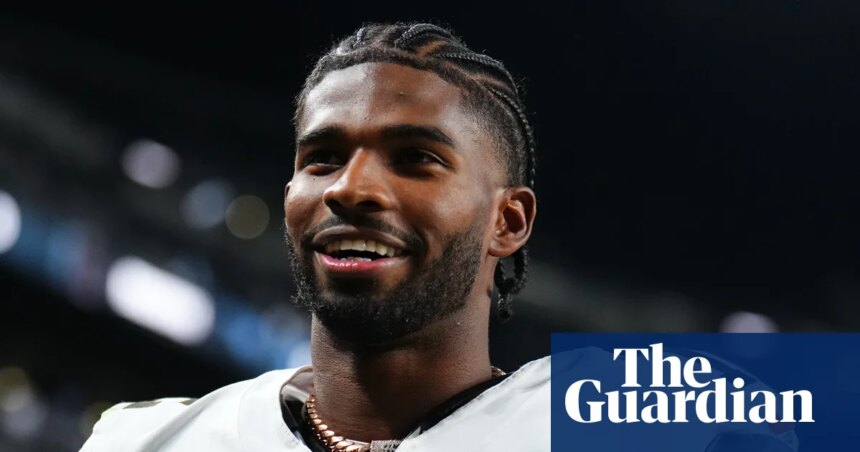
Shedeur Sanders, the rookie quarterback for the Cleveland Browns, has found himself at the center of an ongoing narrative that continues to evolve. Once a standout at two colleges, Sanders was anticipated to be a top prospect in the NFL draft. However, he experienced a dramatic fall, being selected in the fifth round—an unprecedented decline in expectations within league history.
Despite initially being overlooked, he shone brightly during training camp. Yet, he settled into the role of back-up to the back-up quarterback. A significant turning point came when he was thrust into the spotlight due to injuries on the roster, leading the struggling Browns to just their third win of the season against the Las Vegas Raiders. His performance sparked some optimism, but further challenges emerged as he faced the Tennessee Titans, where he made history by becoming the first Browns quarterback since 1950 to throw for more than 300 yards and three touchdowns, while also rushing for a score. However, this achievement was overshadowed by another loss, reigniting debates about his capability and the surrounding narrative.
This week, Sanders was officially named the Browns’ starting quarterback for the remainder of the season, which has only intensified scrutiny surrounding him. Supporters advocate for his right to shine, while detractors question his skills and attitude, labeling him a spoiled rich kid in light of his father, Deion Sanders, a former football and baseball star revered for his flamboyant personality and talent.
The expectations placed on quarterbacks extend beyond physical capabilities; they often embody a certain leadership character traditionally associated with conservative white men. In contrast, Sanders’s persona—the flashy confidence inherited from his father—challenges this archetype and has prompted discussions about perceived biases he faces as a Black quarterback.
The scrutiny that follows Sanders often intersects with racial dynamics, leading fans to speculate whether Cleveland’s head coach, Kevin Stefanski, might hold biases stemming from family dynamics linking back to a past encounter between Deion Sanders and Stefanski’s father-in-law. This complex backdrop juxtaposes the Sanders family’s appeal within the Black community, which has made Shedeur’s jersey a bestseller, against a starkly divergent political spectrum, with figures like Donald Trump vocally supporting him while critiquing the NFL for undervaluing his potential in the draft.
Shedeur has embraced this narrative comfortably, often presenting himself as confident and self-praising, despite some media backlash. His brash statements have attracted attention and skepticism, as he often discusses his “legendary” status with a level of self-assuredness. This swagger, while polarizing, also reflects a broader trend of athletes challenging conventional humility in their public personas.
Navigating the complexities of being a “nepo baby” in a high-pressure environment, Sanders has seamlessly blended this identity with the media landscape, capturing public interest and scrutiny alike. Having grown up under the spotlight of reality TV and being coached by his father, he embodies a unique synthesis of privilege and determination.
As he continues to face challenges, Shedeur’s potential remains an open question in the NFL. With a large financial commitment made to injured star Deshaun Watson, the Browns’ future plans seem uncertain, raising questions about Sanders’s role moving forward. For now, he is attempting to carve out his own legacy amid expectations, aspirations, and the intricate dynamics of family influence. His ongoing journey remains a compelling narrative that embodies both the struggles and opportunities inherent in being a young quarterback in today’s NFL.