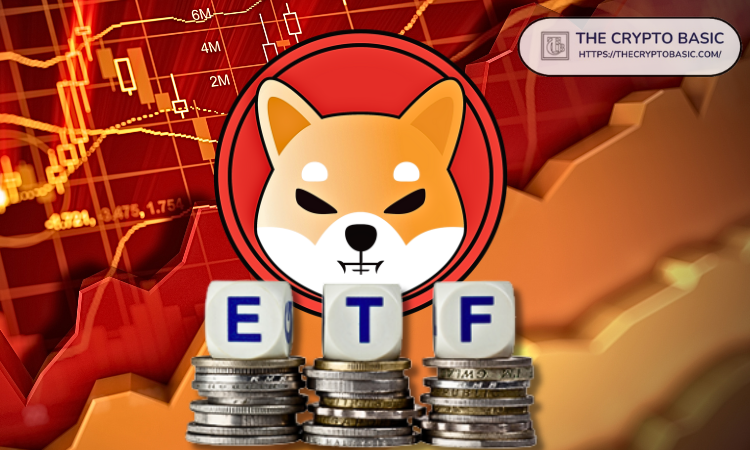
In a significant move towards mainstream financial acceptance, Shiba Inu (SHIB) has gained traction following Coinbase’s introduction of regulated futures for the token, branded as the “1k Shib Index.” This development has sparked discussions within the crypto community, particularly around the implications for SHIB’s future, especially concerning the possibility of a U.S. spot exchange-traded fund (ETF).
Lucie, the market lead for Shiba Inu, emphasized that the emergence of regulated futures places SHIB on a regulatory trajectory similar to that of Bitcoin and Ethereum. These assets gained approval for their spot ETFs following the establishment of active and regulated futures markets, a path Lucie believes SHIB is now on as well.
In a recent post on social media platform X, Lucie pointed out a crucial regulatory correlation: “Because SHIB has regulated futures on Coinbase, it fits the framework the SEC applied to Bitcoin and Ethereum.” Her statement indicates that SHIB has fulfilled one of the vital criteria that regulators look for when assessing ETF applications.
The conversation around a potential SHIB ETF raises intriguing possibilities. If the SEC were to hesitate in granting approval for a standalone SHIB ETF, Lucie suggested that SHIB could still be part of a basket ETF. Such funds typically track multiple assets based on market capitalization, potentially allowing SHIB to gain exposure to mainstream investors indirectly without the necessity of having its own dedicated ETF.
Adding to the significance of these developments, the SEC recently streamlined the approval process for crypto ETFs by introducing generic listing standards. This change removes the need for time-consuming case-by-case evaluations for issuers, potentially accelerating the approval process for tokens like SHIB. The existence of a regulated futures market, particularly with Coinbase Derivatives listing SHIB contracts, offers regulators a framework for effective oversight and pricing.
However, the journey ahead is not devoid of challenges. Unlike Bitcoin and Ethereum, SHIB must navigate a complex landscape where the SEC is concerned about factors such as market liquidity, custody solutions, and the potential for manipulation. The token’s reputation as a meme coin raises questions regarding its long-term stability and whether it meets the essential market depth standards typically associated with BTC or ETH. Moreover, the level of institutional demand for a SHIB-specific product remains uncertain. Without substantial backing from major ETF issuers, the timeline for authorization may extend.
For current SHIB holders, the discussions surrounding an ETF are not merely speculative; they represent a significant milestone in the token’s evolution from a meme-driven launch to a potential contender for mainstream financial products. Institutional acknowledgment, even in the form of futures, highlights the progress SHIB has made in gaining traction.
The implication of SHIB’s potential inclusion in a multi-asset ETF could significantly enhance its visibility among both retail and institutional investors, contributing to its reputation and driving further adoption. While Lucie’s assertions do not guarantee the immediate arrival of a SHIB ETF, they suggest progress. The regulated futures on Coinbase bolster SHIB’s case, and new SEC rules open the door for broader approval of spot ETFs.
As things stand, SHIB finds itself among an increasing number of cryptocurrencies in what many are now calling the “ETF watchlist club,” reflecting Wall Street’s growing interest in crypto-related financial products. The trajectory of SHIB in this context will be closely monitored by investors and industry enthusiasts alike.
Disclaimer: This content is informational and should not be considered financial advice. Readers are encouraged to conduct thorough research before making any investment decisions.