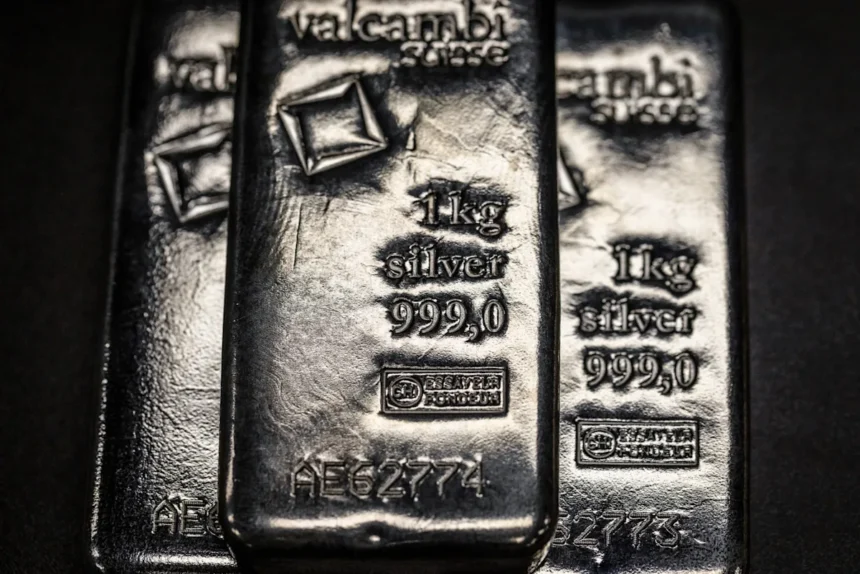
As the trading landscape shifts heading into 2026, silver and copper have surged to prominence, overtaking gold as the metals of choice for both institutional and retail investors. Silver, in particular, has seen its value nearly double this year, with a significant portion of that rise occurring in just the past two months. This dramatic increase is attributed largely to an unprecedented supply squeeze in the London market, driven by soaring demand from Indian markets and inflows into silver-backed exchange-traded funds (ETFs).
Although the recent strain on supply in London has begun to ease with the arrival of additional shipments, other global markets are still grappling with tight supplies. For instance, inventories in China have plummeted to levels not seen in a decade, exacerbating the scarcity of this precious metal.
Ed Meir, an analyst at Marex Group Inc., highlighted the heightened volatility characterizing the current silver rally, emphasizing how the price trajectory has demonstrated a sharper, more parabolic curve than in previous rallies. This surge is distinguished by a concentrated buying spree over a shortened timeline. Comparatively, gold has failed to keep pace; after reaching a record high on October 20, it has since remained relatively stagnant, while silver has surged over 11% to establish a new peak, and copper has climbed nearly 9%.
The iShares Silver Trust, the largest ETF tracking silver, has experienced a notable rise in implied options volatility, reaching the highest levels since early 2021—a period when meme-stock traders briefly flocked to silver. In the past week alone, the ETF saw close to $1 billion in inflows, surpassing that of the largest gold fund and providing additional support to spot prices.
Western investors, who previously maintained a lower allocation to precious metals, have increasingly turned to silver ETFs. There remains considerable potential for further inflow as market conditions normalize, according to Trevor Yates, a senior investment analyst at Global X ETFs. In tandem, options for Comex silver futures are experiencing heightened activity as investors seek protection against potential price swings and additional rallies. Data from CME Group Inc. indicates a surge in retail trading, with the five-day average volume for micro futures contracts nearing levels last witnessed in mid-October.
An illustrative example of current market sentiment is the trading of “lottery-ticket style” options, which saw over 5,000 lots of Comex silver February call spreads exchanged recently, equating to around 25 million troy ounces, as traders bet on a continued rally into the new year.
However, some caution is warranted; sustained higher volatility may necessitate further large price swings to encourage rallies into uncharted territory. As noted by Bloomberg Intelligence senior commodity strategist Mike McGlone, silver is trading at an 82% premium relative to its five-year average, approaching its most significant year-end deviation from this mean since 1979. The ultimate zenith of the silver rally remains unpredictable, according to Marex’s Meir, with potential peaks speculated to anywhere between $60 and $85.
In parallel, copper has also garnered attention, particularly due to the increasing appetite for electrification to support AI data centers and clean energy initiatives. This burgeoning demand has led to forecasts of potential supply shortfalls in the upcoming years. Recently, copper prices had surged to an unprecedented high of over $11,600 per ton on the London Metal Exchange, with volatility in at-the-money March Comex contracts witnessing a significant uptick.
The landscape for copper has been transformed following former President Donald Trump’s announcement in February to impose tariffs on the metal, aiming to boost domestic supply. This decision induced a spike in futures prices, prompting a record rise in U.S. imports as various trading houses moved swiftly to exploit the situation.
Despite some fluctuations, the downside risk for copper prices appears limited due to underlying bullish fundamentals, according to Xiaoyu Zhu, a trader at StoneX Financial Inc. Disruptions at major mines are occurring at a time when demand from electrification and the transition towards green energy is intensifying.
The intricacies of global supply chains have further altered trading dynamics as the arbitrage created by tariffs has shifted material towards the U.S. This trend, as highlighted by Greg Sharenow, a portfolio manager at Pacific Investment Management Co., has tightened global balances and led to a scenario where U.S. prices are considerably elevated compared to global benchmarks.
The ongoing tightness in both silver and copper markets poses questions about the future volatility and price stability of these metals. While analysts suggest that short-term retracements are possible, they are unlikely to alter the long-term bullish narratives surrounding these commodities.