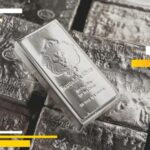




Silver prices have reached record highs, presenting a unique scenario for both investors and consumers. While this surge in value benefits those who have invested heavily in silver, it simultaneously raises the costs of various silver-containing goods, from jewelry to solar panels. In a recent discussion, veteran metals trader Robert Gottlieb provided insights into the contributing factors behind these remarkable price movements and what they might mean for the future of silver investments.
Gottlieb noted that the rally in silver prices has been closely tied to a similar rise in gold prices over the past two years. Gold has established itself as a quintessential safe-haven asset, prompting an increase in silver’s value as it follows this upward trajectory. He explained that silver’s unique position is partly due to a sustained five-year deficit in supply, as demand has consistently outstripped what is available. In addition, silver shares characteristics with gold as a monetary metal, historically being associated with currency.
Another significant factor influencing current silver prices involves domestic production limitations and the imposition of tariffs. Gottlieb emphasized that silver production in the United States is at a peak, and with tariffs recently placed on imports from key suppliers like Mexico and Canada, the potential for restricted silver supplies has become a reality. This concern led to increased prices domestically; for instance, if silver was priced at $50 per ounce internationally, a 10% tariff would push the price in the U.S. to $55.
For potential investors contemplating major shifts in their portfolios, Gottlieb provided a word of caution. While he acknowledges the merit in considering silver as a portfolio diversifier during times of economic and geopolitical uncertainty, he refrained from recommending specific investment amounts. He highlighted that commodities like gold and silver historically outperform during stock market downturns.
The demand for safe-haven assets like silver has intensified due to prevalent economic and political uncertainties, compounded by concerns over U.S. fiscal policies and potential tariffs. With many countries diversifying away from the dollar, investors are increasingly gravitating towards precious metals as a hedge against volatility.
Looking ahead, Gottlieb remains optimistic about silver’s future, suggesting that higher prices have prompted an uptick in selling among consumers who own silver items, such as inherited silverware. This trend is predicted to persist as skepticism about economic stability continues to steer individuals toward investing in silver.
As the conversation around silver evolves, both its market potential and the broader implications for everyday consumers remain dynamic, warranting close attention from investors and the public alike.