Silver has made headlines after surpassing $100 an ounce for the first time, fueled by a historic rally that has left many investors questioning whether this upward trend can persist. Marko Kolanovic, a prominent former strategist at J.P. Morgan, has voiced a stark prediction, forecasting that silver could settle at roughly half its current price by the end of the year.
Earlier this week, silver peaked at $113.25 per ounce before retracting to around $104-$110. This incredible surge represents a 264% increase compared to last year and a 54% spike just in January alone. The metal’s ascent has outpaced even gold’s recent performance, as investors flock to precious metals amid political instability, rising debt concerns, and uncertainty surrounding Federal Reserve policies.
Kolanovic argues that the current market dynamics are being heavily influenced by “meme traders” and speculative behavior. He warns that this volatility is reminiscent of the gold boom of the 1970s, which, after attracting a wave of euphoric buyers, ultimately led to a crash. Historically speaking, commodities that experience such a rapid increase often witness significant corrections; a potential 50% downturn for silver would align with historical trends.
Despite Kolanovic’s warnings, not every analyst shares his bearish outlook. Many market observers acknowledge that the current behavior of precious metals appears “broken.” Nicky Shiels from MKS PAMP noted that unprecedented volatility is marking price movements that seem detached from actual supply and demand. Likewise, Maximilian Tomei of Galena Asset Management pointed out that the fundamental factors do not convincingly account for a 200% increase in silver’s price.
The dual role of silver—as both an industrial metal and a safe-haven asset—adds complexity to its market dynamics. Increased demand driven by technological advancements in solar panels, electronics, and electrification is creating a significant supply deficit, even as investors seek silver as a cost-effective alternative to gold amid growing geopolitical tensions and currency weakness. As a result, much of the recent price movement has been attributed to speculative money flows rather than shifts in the metal’s basic economics.
Nevertheless, proponents of silver remain optimistic, arguing that the current scenario may indeed be different from previous cycles. They point to structural deficits and rising industrial demand as key factors that could sustain prices over the long term. HSBC has projected that this structural deficit could reach 1.2 million ounces this year, indicating potential foundational support for prices despite current speculation.
The U.S. Mint has also taken notice of the surge, temporarily halting sales of certain silver coin products while reviewing pricing strategies in response to market conditions.
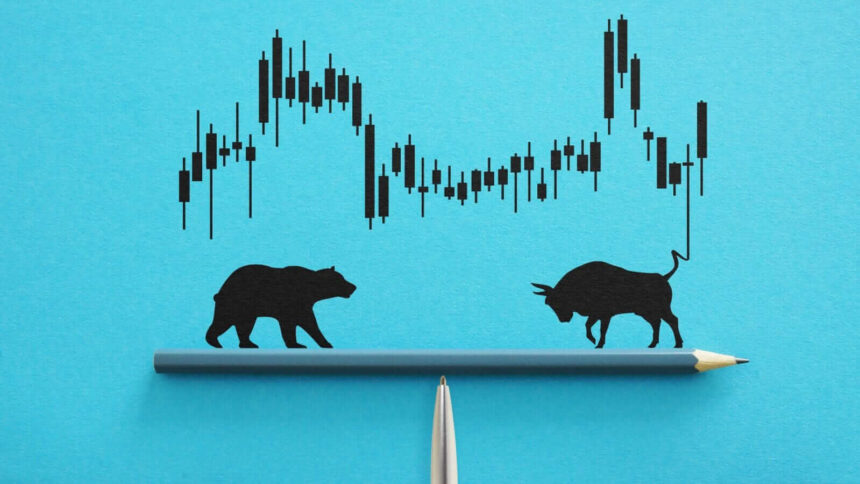
Currently, the silver market stands at a crossroads. Bears envision a market poised for a major correction, while bulls believe in a long-term shortage that may continue to drive prices higher. Kolanovic maintains that silver operates more like a leveraged macro asset than a secure store of value, and a significant price drop would simply correct its earlier excessive gains.
Investors now face a critical decision regarding their silver positions, especially those invested in silver ETFs like iShares Silver Trust (SLV), which has seen a remarkable 200% increase over the past year. Amid the ongoing tension between fear and market fundamentals, the future direction of silver remains uncertain, with outcomes hinging on which perspective ultimately prevails.