In a significant development, six additional states have received approval for Supplemental Nutrition Assistance Program (SNAP) food-choice waivers, expanding the initiative aimed at promoting healthier dietary options. U.S. Secretary of Agriculture Brooke L. Rollins and U.S. Secretary of Health and Human Services Robert F. Kennedy Jr. announced that Hawai’i, Missouri, North Dakota, South Carolina, Virginia, and Tennessee will be implementing changes to the statutory definition of “food for purchase” under the federal SNAP program, with these amendments taking effect in 2026.
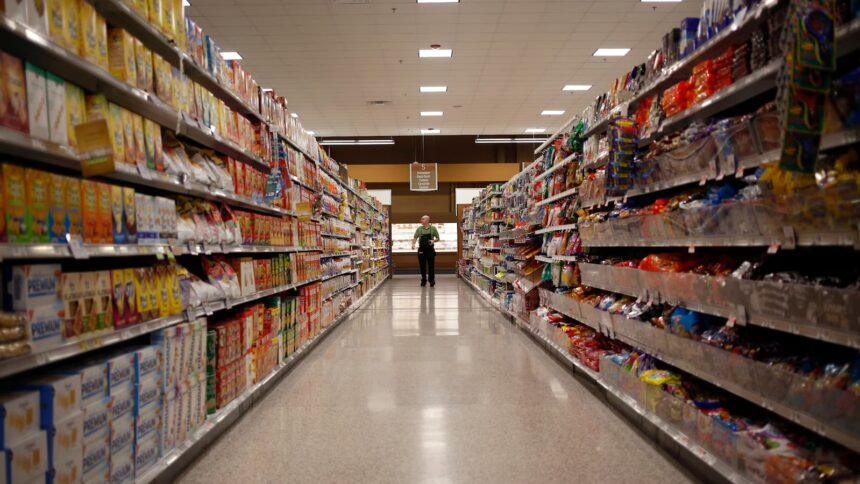
This announcement increases the total number of states approved for these SNAP food-choice waivers to 18, as part of the “Make America Healthy Again” initiative. These waivers grant states the authority to redefine what food assistance benefits, commonly known as food stamps, can be utilized for at grocery stores, particularly targeting certain processed foods and sugary beverages.
During the announcement, Rollins emphasized the government’s commitment to restoring the true purpose of SNAP, which he defined as promoting nutrition. He stated, “President Trump has made it clear: we are restoring SNAP to its true purpose — nutrition.” Rollins highlighted the initiative’s intent to combat chronic diseases that have become pervasive in the nation, noting the innovative solutions being implemented by various state governors in response to this challenge.
Robert F. Kennedy Jr. commended the governors of the 18 states for their leadership in reforming SNAP, aiming to enhance the health of Americans, particularly children. He asserted the necessity for a system that avoids taxpayer funding for programs linked to poor health outcomes, insisting, “We cannot continue a system that forces taxpayers to fund programs that make people sick and then pay a second time to treat the illnesses those very programs help create.”
This initiative follows previously announced restrictions in states such as Texas, Oklahoma, Louisiana, Colorado, Florida, and West Virginia, which are set to begin in 2026, further limiting the purchase of items considered “junk food” with SNAP benefits. Earlier this year, waivers for SNAP reform were also granted to Arkansas, Idaho, Indiana, Iowa, Nebraska, and Utah.
On the first day of her tenure, Rollins introduced the “Laboratories of Innovation” initiative, which aims to encourage state-led efforts to enhance federal nutrition programs while safeguarding taxpayer resources. The USDA, under her leadership, has been advocating for these state-driven solutions to strengthen the efficiency and effectiveness of nutritional assistance programs across the country.